

Commercial Tree Removal Regulations in Volusia County: What Businesses Need to Know
Removing trees on a commercial site in Volusia County often triggers strict local ordinances and permit requirements under the Tree Preservation Ordinance. Property owners must navigate Volusia County tree removal permits, application timelines, protected-species rules, environmental safeguards, and certified-arborist hiring. This article defines when permits are required, outlines the application process, details protected species and replacement standards, examines ecosystem impacts, and explains how businesses can engage licensed, insured arborists for compliant removal.
Tree Preservation Ordinances
Tree preservation ordinances are implemented by local governments to manage and protect trees within their jurisdictions. These ordinances often include regulations on tree removal, replacement, and protection of specific tree species. The goal is to maintain the environmental and aesthetic benefits of urban forests.
This source provides context for the need for and the general structure of tree preservation ordinances, which are central to the article’s discussion of Volusia County’s regulations.
Do Commercial Properties in Volusia County Need Tree Removal Permits?
Yes, most commercial tree removal projects in Volusia County require a permit when they involve protected species or trees exceeding set diameter thresholds. Permits enforce canopy preservation and replacement obligations to maintain urban forest health.
What Are the General Permit Requirements for Commercial Tree Removal?
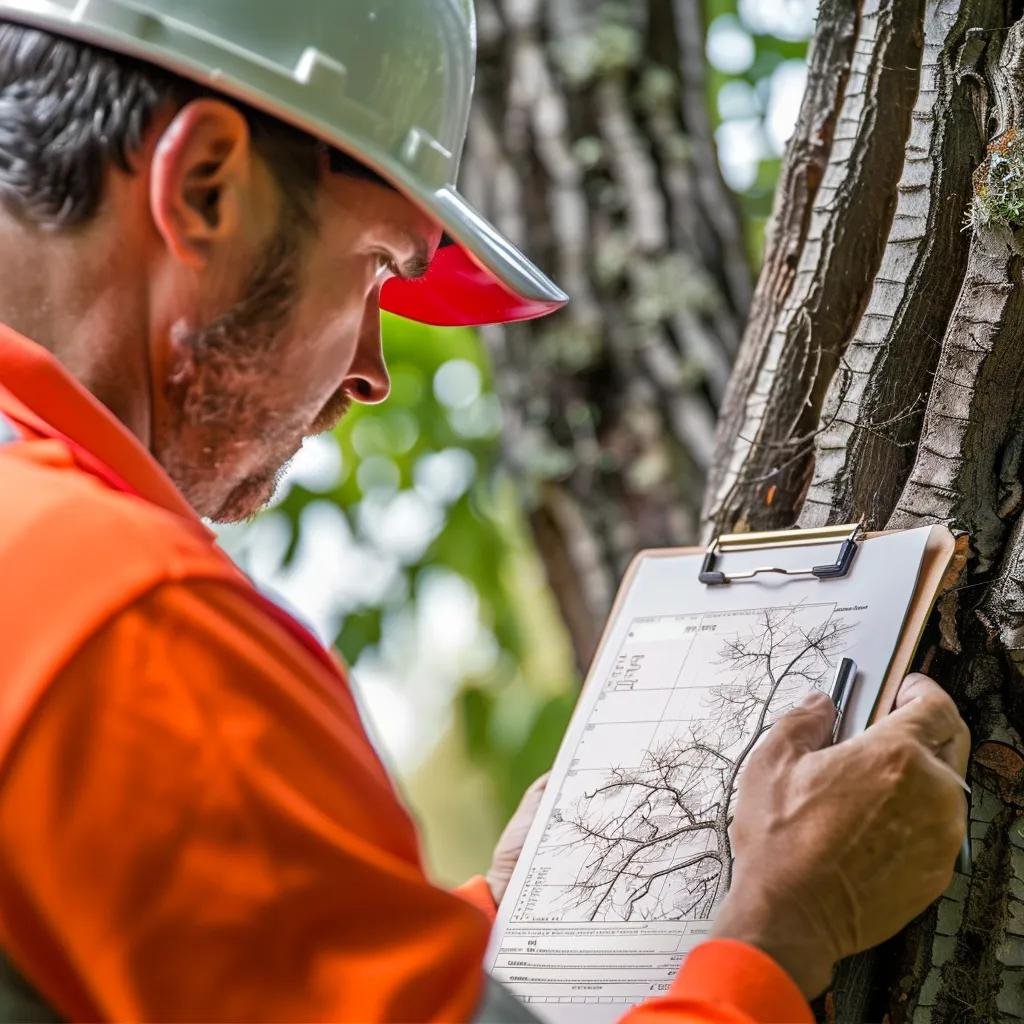
Commercial removal permits define when trees must be surveyed, when protected species need mitigation, and when replacement plantings are mandated. The ordinance requires a tree-survey plan, replacement ratio, and proof of proper erosion control to ensure site standards and community canopy goals.
Which Commercial Properties Are Subject to Volusia County Tree Ordinances?
Commercial zoning categories—office parks, shopping centers, industrial sites, golf courses, and large-lot HOAs—fall under Volusia County tree protection rules. Any business-owned parcel with vegetation in setback areas, parking lots or buffers must comply, safeguarding regulated specimens.
Are There Exemptions for Hazardous or Dead Trees on Commercial Sites?
Exemptions apply when a certified arborist determines a tree is diseased, structurally unsound, or dead. An ISA-credentialed report can waive replacement requirements for hazardous removals, accelerating risk-mitigation and protecting public safety without full permit review.
How Does the Volusia County Commercial Tree Permit Application Process Work?
The application process begins with submittal of detailed site plans, tree surveys, and replacement proposals. This HowTo guide helps commercial property owners streamline approvals through clear documentation and compliance.
What Documents Are Required for a Commercial Tree Removal Permit?
Before filing, assemble:
- A certified tree-survey map showing species, DBH, and location.
- A replacement planting plan with species and spacing details.
- An arborist’s report certifying tree health or hazard status.
These documents demonstrate due diligence and support expedited review under Volusia County regulations.
How Long Does the Permit Approval Take for Commercial Projects?
Typical approval spans 15–30 business days from complete submittal. Complex developments may require up to 45 days, especially when environmental assessments or zoning variances are involved. Early coordination reduces delays and aligns timelines with project milestones.
What Are the Fees and Costs Associated with Commercial Tree Removal Permits?
| Entity | Attribute | Value |
|---|---|---|
| Permit Application | Base Fee | $150 per acre |
| Protected Tree Removal | Mitigation Fee | $75 per DBH inch |
| Replacement Inspections | Inspection Charge | $50 per follow-up visit |
What Are the Protected Tree Species and Replacement Rules in Volusia County Commercial Areas?
Which Tree Species Are Protected Under Volusia County Ordinances?
| Entity | Attribute | Value |
|---|---|---|
| Live Oak | Common Name | Quercus virginiana |
| Sabal Palm | Conservation | State-protected palm species |
| Southern Magnolia | Canopy Significance | Large shade tree requiring mitigation |
What Are the Diameter at Breast Height (DBH) Thresholds for Protected Trees?
Commercial removals generally trigger permits when:
- Deciduous trees ≥ 8 inches DBH
- Conifers and palms ≥ 6 inches DBH
These thresholds balance development needs with urban forest stewardship and link directly to replacement calculations.
How Are Tree Replacement Requirements Applied to Commercial Developments?
Replacement ratios vary by species and DBH:
- For every 8 inches of live oak removed, one 3-inch caliper oak must be planted.
- Sabal palms require one replacement palm per removed specimen.
This ensures canopy continuity and supports stormwater management in developed areas.
What Environmental Impact Considerations Affect Commercial Tree Removal in Volusia County?
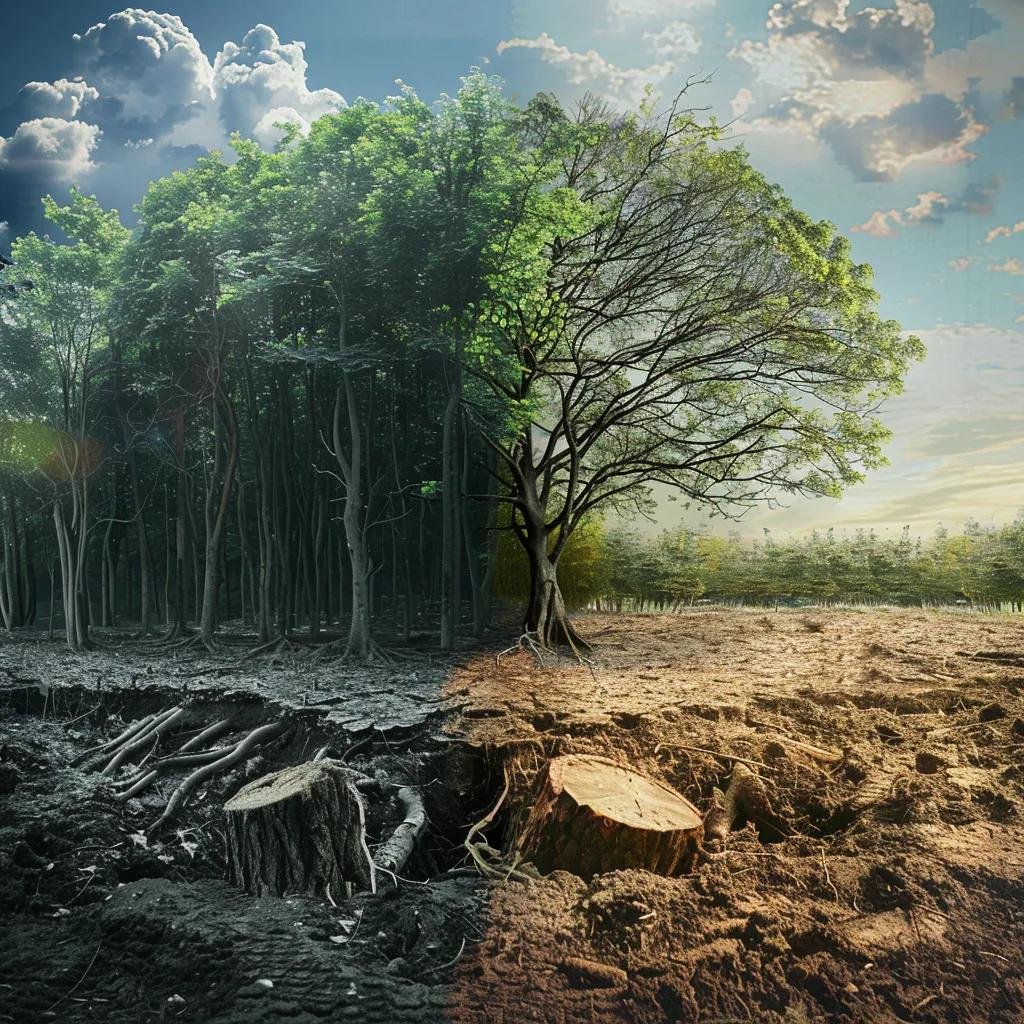
How Does Commercial Tree Removal Affect Local Ecosystems and Carbon Sequestration?
Removing mature trees reduces on-site carbon sequestration, increases runoff, and fragments wildlife corridors. Preserving high-value specimens supports climate resilience and protects drinking-water quality.
What Strategies Mitigate Environmental Damage During Commercial Tree Projects?
- Phased removal to maintain shade cover.
- On-site mulching and soil aeration to protect root zones.
- Planting native understory species for habitat enhancement.
These practices minimize erosion and sustain ecosystem services throughout development.
How Does Volusia County Enforce Environmental Protection in Tree Removal?
Violation penalties include fines up to $500 per inch of unauthorized DBH removal and mandatory off-site mitigation. Regular inspections by the Environmental Management Division ensure compliance and deter illegal clearing.
How Can Businesses Hire Licensed and Insured Arborists for Commercial Tree Removal in Volusia County?
Why Is Hiring a Certified Arborist Important for Commercial Tree Removal Permits?
Certified Arborist Role
Certified arborists play a crucial role in assessing tree health, identifying hazards, and providing expert advice on tree care and removal. Their certifications demonstrate their knowledge and adherence to industry standards, making them essential for navigating complex regulations.
This citation supports the article’s emphasis on the importance of hiring certified arborists for commercial tree removal projects.
What Licensing and Insurance Are Required for Commercial Tree Removal Services in Florida?
- A Florida Occupational License for tree services.
- General liability insurance (minimum $1 million).
- Workers’ compensation coverage for crews.
How Does debary-tree-service.com Support Compliance with Volusia County Regulations?
debary-tree-service.com offers turnkey permit consultation, complete site surveys, and certified-arborist reports to fast-track approvals. Their licensed and insured crews handle removals, replacements, and final inspections with full regulatory adherence.
Commercial property owners who partner with experienced arborists reduce risk, meet legal obligations, and preserve urban canopy integrity. Reach out today to ensure your next tree removal project in Volusia County proceeds smoothly and compliantly.