

Debary Tree Regulations and Ordinances: Complete Guide to Tree Removal Permits and Compliance
Homeowners and developers in Debary face precise tree removal rules designed to preserve the city’s canopy while enabling responsible property management. Understanding Debary tree regulations unlocks clarity on when a permit is required, which species are protected, and how to navigate the Land Development Code. This guide provides an actionable roadmap: the permit requirements and cost structures; the online application process via the Citizenserve portal; exemptions and emergency removal procedures; the key provisions of the July 2024 LDC update; and how licensed tree services—such as those offered by orlando-tree-removal.com—simplify compliance through expert guidance, insured operations and full-spectrum care. Following these sections equips residents with the knowledge to meet ordinance mandates, avoid penalties and engage professional assistance effectively.
What Are the Debary Tree Removal Permit Requirements?
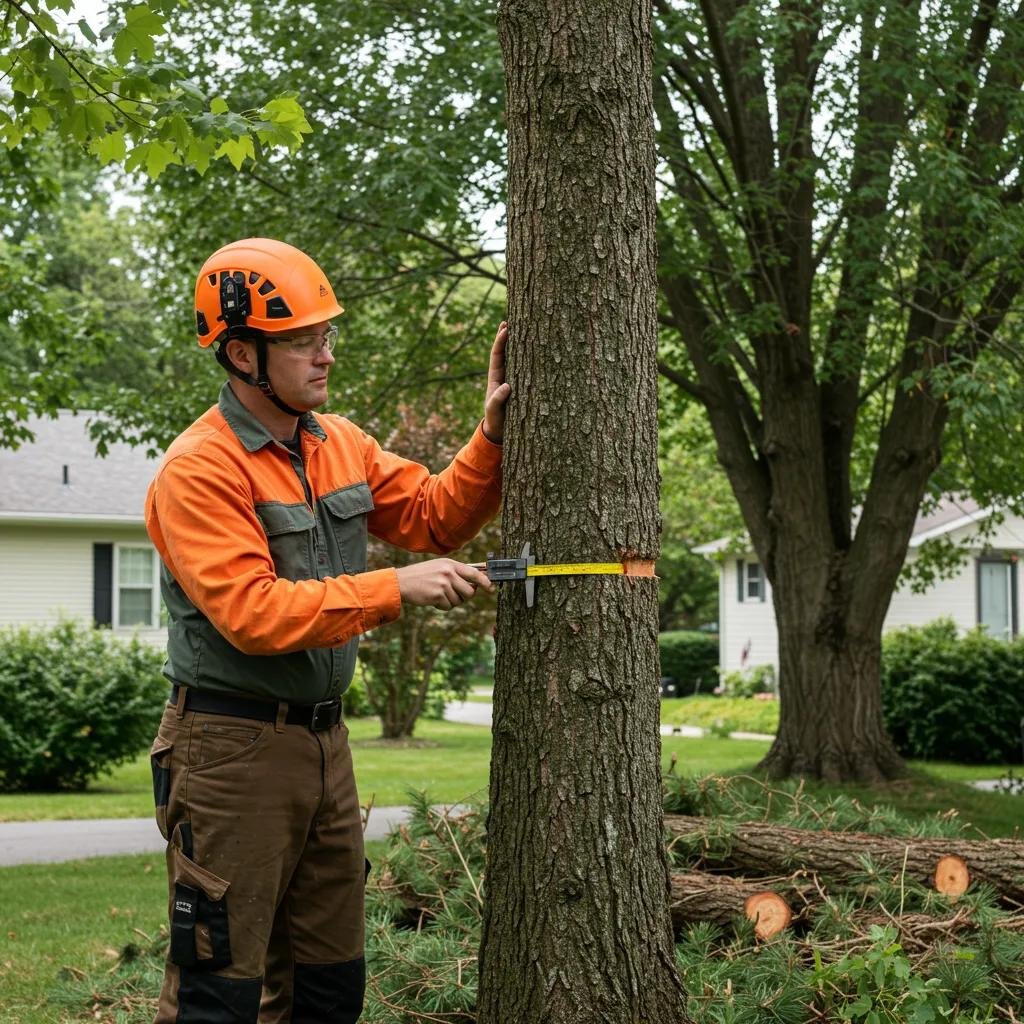
A Debary tree removal permit is a legal approval issued by the Growth Management Department to regulate the cutting of living trees that meet specified criteria. Permit requirements hinge on tree size, species status, site context and project scope. Householders and developers must secure authorization before removing any tree that surpasses a DBH threshold or is classified as protected or specimen under city ordinances. Failure to comply exposes property owners to civil fines and potential restoration fees.
Below is an overview of primary permit criteria and their thresholds.
| Criterion | Threshold or Detail | Note on Compliance |
|---|---|---|
| Diameter at Breast Height | 6 inches | Measured 4.5 feet above ground |
| Protected Species | Oak, Bald Cypress, Live Oak, Sabal Palm, etc. | Refer to species list in ordinances |
| Specimen Trees | Single-tree DBH > 24 inches or unique feature | Requires higher mitigation ratios |
| Application Documentation | Site plan, ownership proof, arborist report | Must be sealed by licensed professional |
| Permit Fees and Timeline | Varies; 10–15 business days | Expedited review available for hazards |
Each permit criterion aligns with Debary’s goal of balancing development with canopy preservation. The thresholds and documentation ensure that only necessary removals occur under professional oversight.
Who Needs a Tree Removal Permit in Debary?
Any homeowner, contractor or developer intending to remove a living tree on private or commercial property within Debary’s city limits must obtain a permit when removal falls under ordinance criteria. Urban lot owners preparing for new construction, landscape remodels or lot clearing are obligated to apply. Even utility easement work and right-of-way maintenance require prior authorization for trees meeting protected status. Exemptions apply to dead, diseased or hazardous trees posing immediate risk, but formal hazard assessments by an ISA Certified Arborist must accompany emergency removals. Understanding permit triggers prevents inadvertent ordinance violations and ensures alignment with municipal codes.
What Is the Diameter at Breast Height (DBH) Threshold for Permits?
Diameter at Breast Height (DBH) is the standard measure for assessing tree removal eligibility, defined as a tree’s trunk diameter at 4.5 feet above natural grade. In Debary, any tree with a DBH of 6 inches or greater requires a removal permit, while “specimen” specimens exceed 24 inches and carry stricter mitigation ratios. Accurate DBH measurement supports equitable regulation of canopy loss and guides replacement planning. Homeowners can measure DBH using a diameter tape or caliper; professional arborists often provide certified reports recognizing local ordinances. Precise DBH thresholds balance property rights with urban forest preservation.
| Tree Category | DBH Threshold | Permit Status |
|---|---|---|
| Standard Tree | ≥ 6 inches | Permit required |
| Specimen Tree | ≥ 24 inches | Permit with mitigation |
| Ornamental Palm | ≥ 15 inches | Permit for trunk removal |
These size-based distinctions underpin Debary’s strategic preservation objectives and guide mitigation calculations accordingly.
Which Tree Species Are Protected Under Debary Ordinances?
Debary’s Tree Preservation Ordinance designates a range of native and ornamental species as “protected” to maintain ecological diversity and historic character. Notable protected taxa include live oaks (Quercus virginiana), bald cypress (Taxodium distichum), cabbage palms (Sabal palmetto) and southern magnolias (Magnolia grandiflora). Specimen trees—distinguished by exceptional size, rarity or historical significance—carry elevated status demanding higher replacement ratios if removed. City ordinances list over 30 protected species, each requiring permit review before any removal or significant pruning. This classification supports canopy continuity and regional biodiversity.
| Scientific Name | Common Name | Protection Level |
|---|---|---|
| Quercus virginiana | Live Oak | Protected |
| Taxodium distichum | Bald Cypress | Protected |
| Sabal palmetto | Cabbage Palm | Protected |
| Magnolia grandiflora | Southern Magnolia | Specimen |
| Carya glabra | Pignut Hickory | Protected |
By defining species status, Debary’s ordinance channels removal requests through a review process that safeguards valued trees while accommodating necessary land use changes.
What Documents Are Required for a Tree Removal Permit Application?
Submitting a complete application reduces processing delays and enhances approval certainty. Debary requires the following paperwork:
- A scaled site plan indicating all trees slated for removal, protected specimens, property lines and proposed replacement locations.
- Proof of property ownership or a lease agreement authorizing tree work.
- A certified arborist report detailing tree health, DBH measurements and justification for removal.
- Photographs or aerial images documenting tree condition and site context.
- Payment of applicable fees based on tree size and removal complexity.
A well-prepared application addresses municipal review criteria at the outset. Omitting required documents often results in resubmission, extending the timeline and risking project delays.
How Much Do Debary Tree Removal Permits Cost and What Are the Timelines?
Debary structures permit fees to reflect the administrative and inspection resources involved. Standard fees range from $75 for trees just meeting the DBH threshold up to $250 for multiple-specimen removals or complex sites. Emergency tree removals assessed for immediate hazards may incur an expedited fee of $150. Typical review and issuance take 10 to 15 business days from a complete submission, while emergency permits can be processed in 2 to 3 days with certified arborist documentation. Understanding fee tiers and timelines permits accurate project planning and budget allocation.
| Fee Tier | Amount | Typical Processing Time |
|---|---|---|
| Standard Permit | $75–$125 | 10–15 business days |
| Specimen Tree Permit | $200–$250 | 12–15 business days |
| Emergency Removal Permit | $150 | 2–3 business days |
Transparent fee schedules and timeline expectations assist homeowners in aligning tree removal projects with municipal requirements and project schedules.
How Do You Apply for a Tree Removal Permit in Debary?
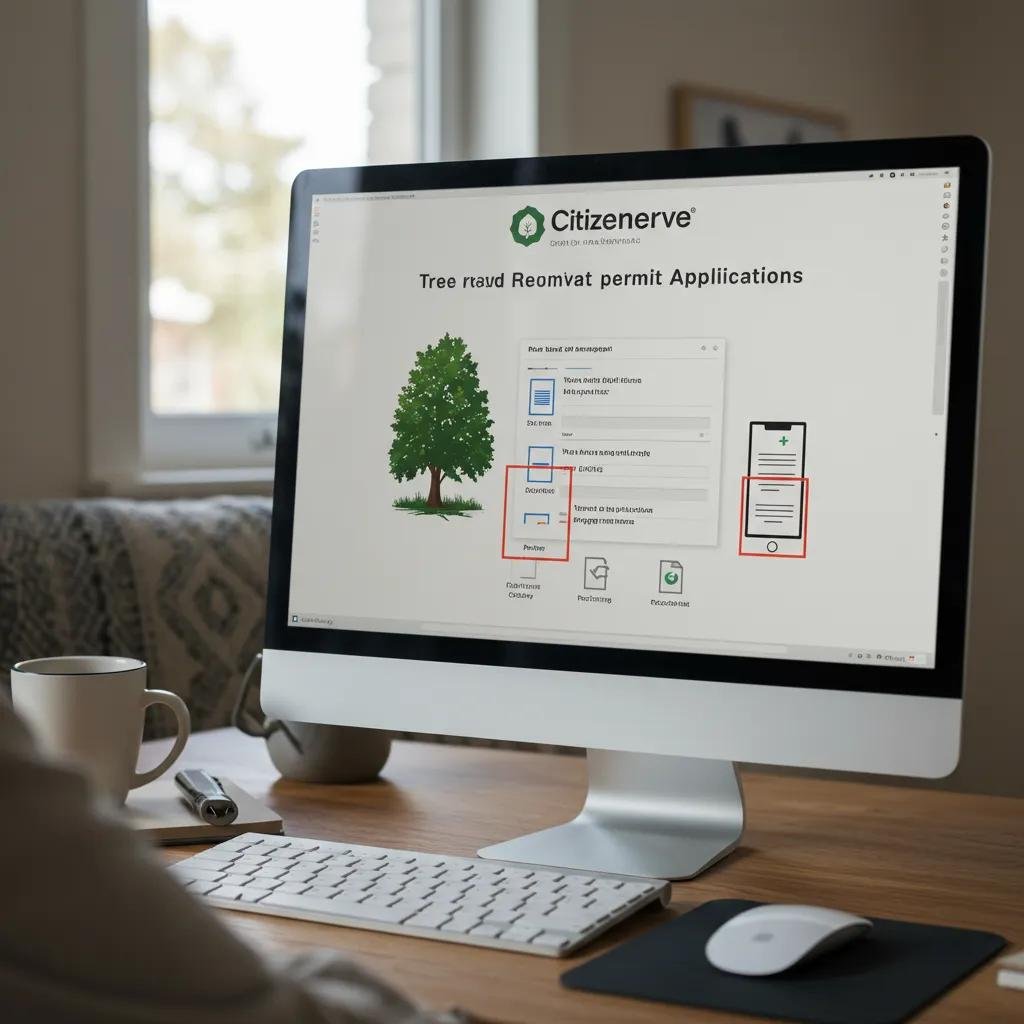
Applying for a Debary tree removal permit involves an online-first approach, streamlining submission and status tracking. Applicants must register on the Citizenserve portal, create a permit record and upload supporting documents electronically. Digital authority over application steps enhances transparency, reduces paper handling and accelerates review times. A stepwise process ensures that each required element—site plan, ownership verification, arborist report and fee payment—is captured before formal review begins.
Debary’s move to a fully digital application system reflects a broader trend in municipal permitting that prioritizes user accessibility and operational efficiency. Electronic filing reduces processing errors and fosters direct communication between applicants and city staff, leading to faster resolutions.
How to Use the Debary Citizenserve Portal for Online Applications?
The Citizenserve portal functions as a unified interface for all Growth Management permits, including tree removal. After account creation, users select “Tree Removal Permit,” complete an intake form, and upload attachments via the document center. Automated prompts guide applicants through each requirement, while status updates notify them of plan review outcomes, inspection scheduling and permit issuance. The portal’s dashboard allows consolidated management of multiple permit types, improving coordination for contractors and property owners alike.
A clear user interface and embedded help resources reduce confusion, equipping residents to complete the process without in-person trips to city offices.
What Are the Steps to Complete the Tree Removal Permit Application?
- Register or log in to Citizenserve and select “Apply for Tree Removal Permit.”
- Enter site details, including address, parcel identification and project scope.
- Upload the site plan, property proof and certified arborist report.
- Review fee estimate and submit payment through the portal’s secure payment system.
- Monitor permit status via the dashboard and respond to any review comments.
Adhering strictly to these steps prevents common delays associated with missing documents or incorrect fee calculations. Prompt response to staff requests ensures swift permit issuance.
How Can Professional Tree Services Assist with Permit Applications?
Licensed and insured arborist firms—such as orlando-tree-removal.com—streamline the application process by preparing site plans, conducting DBH measurements and drafting arborist reports that satisfy municipal standards. Expert permit assistance reduces homeowner burden and mitigates the risk of noncompliance. Professionals liaise directly with Growth Management staff, amend plans according to review comments and schedule required inspections. This end-to-end support accelerates approvals and ensures that tree removal activities fully align with Debary ordinances.
Leveraging a service provider’s regulatory expertise delivers peace of mind and frees homeowners to focus on broader project goals.
What Are Common Mistakes to Avoid When Applying for a Permit?
Permit applications often stall due to avoidable errors such as incomplete site plans, incorrect DBH measurements, insufficient arborist detail or mismatched property documentation. Another frequent oversight is neglecting to label protected trees and replacement areas on the site plan. Inaccurate fee calculations based on tree size categories can also lead to application rejections. Addressing these points proactively—through checklist review or professional guidance—minimizes delays and protects against potential fines.
By avoiding procedural missteps, applicants maintain project timelines and uphold Debary’s canopy preservation objectives.
Which Trees Are Protected in Debary Florida and What Are the Ordinance Exemptions?
Debary’s ordinances define “protected,” “specimen” and “historic” trees to prioritize retention of significant canopy assets. Protected trees include both native hardwoods and key ornamentals; specimen trees exceed 24 inches DBH or hold landmark status; historic trees possess cultural or ecological significance predating municipal ordinances. This tiered framework directs removal reviews according to tree value. Conversely, exemptions apply to trees that are dead, irreversibly diseased or pose immediate hazards, allowing property owners to act swiftly when safety is at risk.
Clear categorisation fosters balanced decision-making, ensuring high-value trees remain while granting relief for urgent removal when health or safety demands.
What Defines a Protected, Specimen, and Historic Tree in Debary?
A protected tree in Debary is one listed in the city’s approved species roster, typically native oaks, cypresses and palms. A specimen tree is a living tree notable for exceptional size, form or rarity, often documented through historical surveys. Historic trees are those of special cultural or community significance, documented through municipal heritage programs. Each classification carries specific mitigation requirements for removal, from replacement saplings to mitigation fund contributions.
These distinctions uphold Debary’s commitment to ecological stewardship and community heritage.
When Is a Tree Removal Permit Not Required?
No permit is necessary for trees identified as dead, diseased beyond recovery, or posing a clear and present hazard to persons or property. Hazardous removals must include an arborist’s risk assessment, photographic evidence and a description of imminent risk factors. Utility-related pruning or removals under easement agreements may also proceed without a standard permit when coordinated directly with utility providers. Understanding these exemptions prevents unnecessary delays and clarifies safety-first removal scenarios.
Recognising valid exemptions ensures that health and safety needs override standard preservation protocols.
What Are the Rules for Emergency Tree Removal in Debary?
Emergency tree removal procedures allow immediate action for trees endangering structures, utilities or public safety. Property owners must submit hazard assessment reports to Growth Management within 48 hours of removal, detailing conditions justifying the emergency classification. An ISA Certified Arborist report must accompany the submission, validating the urgency. While emergency permits bypass the standard 10–15-day review, prompt documentation and follow-up inspections remain mandatory to confirm compliance and revegetation plans.
Emergency protocols protect public welfare without compromising long-term canopy objectives.
How Do ISA Certified Arborists and Licensed Landscape Architects Support Compliance?
ISA Certified Arborists provide expert tree health evaluations, hazard assessments and DBH measurements that underpin permit applications. Licensed landscape architects craft detailed site plans illustrating tree impacts, replacement planting schemes and grading modifications that adhere to LDC requirements. Collaboration between these professionals and property owners ensures technical accuracy, ordinance alignment and successful permit outcomes. Their credentials lend credibility to applications and facilitate constructive dialogue with municipal reviewers.
Professional certifications and collaborative planning streamline approvals and reinforce Debary’s preservation standards.
What Does Debary’s Land Development Code Say About Tree Care and Preservation?
Debary’s Land Development Code (LDC) codifies tree preservation as a core land-use principle, embedding canopy protection across zoning districts and development types. Key provisions mandate minimum tree densities for new subdivisions, preservation buffers around specimen and historic trees, and compensatory mitigation when unavoidable removals occur. Developers must submit a Tree Preservation Plan demonstrating compliance with buffer, replacement and maintenance criteria. This regulatory framework incentivises retention of existing vegetation and integrates tree care into every phase of land development.
The LDC’s prescriptive approach ensures that growth advances hand-in-hand with ecological stewardship and community character preservation.
What Are the Key Provisions of the Debary Tree Preservation Ordinance?
The ordinance requires retention of at least 25 percent of the original tree canopy in all new developments, with special buffer zones protecting trees within 20 feet of adjacent properties. Replacement ratios range from 2:1 for standard removals to 4:1 for specimen trees, ensuring that lost canopy is offset by new landscaping. Maintenance obligations require developers to guarantee transplanted or planted specimens for a two-year establishment period. These elements collectively preserve urban canopy continuity and mitigate the long-term impacts of construction activities.
Embedding preservation metrics into development standards aligns private projects with municipal canopy goals.
How Are Tree Replacement and Mitigation Requirements Enforced?
When removal is approved, permit holders must plant replacement trees according to defined ratios or contribute to the city’s mitigation fund at a per-inch rate. Inspections confirm survival of new plantings and adherence to spacing standards. Failure to meet replacement requirements triggers financial penalties or bonding forfeiture. The Growth Management Department tracks mitigation fees and schedules post-installation inspections, ensuring that canopy restoration obligations are fulfilled in a timely manner.
Robust enforcement mechanisms guarantee that canopy preservation commitments translate into actual reforestation within Debary.
What Penalties Apply for Illegal Tree Removal in Debary?
Unauthorized removal of protected or specimen trees incurs civil fines ranging from $500 to $1,500 per tree, plus restoration costs based on DBH. Repeat violations may lead to stop-work orders on development permits and increased mitigation ratios. In severe cases, violators face lien placements on property and mandatory replanting at enhanced 6:1 ratios. These penalties underscore Debary’s dedication to deterring noncompliance and safeguarding urban forest resources.
Penalties balance corrective action with financial accountability, reinforcing the importance of proper permitting.
How Are Trees Protected During Land Development and Construction?
Developers must erect sturdy tree protection fencing around critical root zones of preserved trees and adjust grading plans to limit soil compaction. Construction activities within buffer zones are restricted to hand-excavation methods, avoiding heavy machinery. Detailed protection plans accompany site drawings, indicating drip-line boundaries and protective barriers. Post-construction inspections assess damage and require corrective measures or additional mitigation if root health is compromised.
Integrating protection standards into construction protocols prevents inadvertent harm to retained canopy assets.
Which Professional Tree Removal Companies Serve Debary and How Do They Ensure Compliance?
Licensed and insured tree removal firms in Debary specialise in orchestrating full compliance with municipal ordinances while executing safe, efficient tree work. Services typically include risk assessments, permit preparation, removal, pruning, stump grinding and replacement planting. Certified arborists on staff provide hazard reports and mitigation recommendations, enabling property owners to satisfy LDC requirements without navigating complex regulations alone. Companies such as orlando-tree-removal.com position themselves as local regulation experts, promising hassle-free permit assistance and comprehensive tree care solutions under one contract.
Engaging a qualified provider reduces administrative burden, accelerates project timelines and safeguards both property and public interests.
What Services Do Licensed and Insured Debary Tree Companies Offer?
- Tree risk assessments and health evaluations.
- Full removal of protected and non-protected trees under permit.
- Pruning, trimming and crown reduction aligned with arboricultural best practices.
- Stump grinding and site cleanup to restore property aesthetics.
- Replacement planting and establishment maintenance for mitigation compliance.
How Do Certified Arborists Assess Hazardous Trees for Safe Removal?
Certified arborists conduct systematic risk assessments by examining tree structure, root integrity and environmental stressors. They document defects such as cracks, decay or lean, assigning hazard ratings that guide removal urgency. Detailed reports include photographic evidence, DBH measurements and recommended actions. This professional evaluation satisfies emergency removal criteria and supports permit exemptions when safety hazards demand immediate attention.
Expert hazard assessments protect public safety while maintaining regulatory integrity.
Why Choose Expert Permit Assistance for Debary Tree Removal?
Expert permit assistance minimises delays, eliminates guesswork and prevents costly mistakes. Specialists understand Debary’s ordinance nuances, DBH measurement protocols and species-specific mitigation requirements. They prepare high-quality site plans, liaise with municipal staff, and revise applications in response to feedback. This professional oversight ensures that tree removal projects progress smoothly, avoid stop-work orders and align with the city’s canopy preservation objectives.
Hiring seasoned professionals delivers confidence and efficiency, preserving both time and investment.
How to Get a Free Estimate for Tree Services in Debary?
Property owners can request a complimentary site evaluation and estimate from licensed providers by contacting orlando-tree-removal.com via their online inquiry form or phone line. During the estimate, arborists assess tree health, project scope and mitigation needs before presenting a detailed cost breakdown. Free estimates inform budget planning and clarify service inclusions, enabling homeowners to compare professional options prior to engagement.
Transparent, no-obligation estimates support informed decision-making and foster trust in service providers.
What Are the Most Frequently Asked Questions About Debary Tree Regulations?
Homeowners often seek clarity on core aspects of Debary’s tree ordinances, including permit necessity, application procedures, protected species lists, fee structures and enforcement penalties. Many landowners ask whether a permit is required for every tree removal, how to apply via the Citizenserve portal, and which species receive special protection. Questions about permit costs, emergency removal protocols and fines for noncompliance also arise frequently. Recognising these common inquiries highlights the importance of a consolidated, user-friendly resource that demystifies municipal requirements and guides residents through every step of compliance.
This summary prepares readers to delve into application processes, species classifications and professional support options without confusion.
How Are Recent Updates to Debary Tree Ordinances Impacting Homeowners and Developers?
The July 2024 update to Debary’s Land Development Code introduced more stringent tree preservation buffers, increased replacement ratios for specimen removals and expanded the protected species roster. Developers must now preserve a minimum 30 percent canopy cover in designated growth areas and adhere to four-inch minimum caliper sizes for replacement plantings. These amendments reflect heightened emphasis on urban forestry as a municipal sustainability priority. Homeowners planning major landscaping or construction projects must account for larger protected zones and updated mitigation fee schedules when budgeting and designing site plans.
By aligning property improvements with the latest LDC provisions, residents and contractors can avoid resubmission delays and ensure landscape plans meet elevated preservation standards.
What Changes Were Made in the July 2024 Land Development Code Update?
- Expanded list of protected and specimen species to cover 10 new native taxa.
- Increased minimum replacement ratio from 2:1 to 3:1 for standard removals.
- Stricter buffer requirements mandating 25 feet for specimen trees.
- Revised mitigation fund rates raising per-inch contributions by 15 percent.
How Do These Updates Affect Tree Removal Permit Processes?
Permit applicants now encounter more comprehensive review criteria, including detailed buffer impact analyses and proof of higher caliper replacement trees. The Citizenserve portal intake form was updated to capture additional buffer zone data fields and mitigation fund election options. Review timelines for complex applications have extended slightly to allow enhanced technical evaluations. While the process remains fundamentally digital, applicants should anticipate supplementary plan revisions and consultation with arboricultural staff to meet the new standards.
Staying informed of permit process refinements ensures uninterrupted project progression under the revised code.
What Are the Implications for Urban Canopy Preservation in Debary?
Stricter replacement ratios and expanded protected species lists reinforce long-term canopy goals, promoting biodiversity and reducing heat-island effects. By mandating larger caliper replacements and preserving wider buffer zones, Debary advances mature tree retention and encourages developers to integrate preservation into site design. These measures improve stormwater management, air quality and community aesthetics, fostering resilient green infrastructure across residential and commercial zones.
Enhanced preservation protocols position Debary as a model for suburban canopy stewardship in Florida’s fast-growing municipalities.
Where Can I Find Official Debary Resources and Contact Information?
Official tree ordinance documents, permit applications and LDC text are accessible through the City of Debary Growth Management Department. The Citizenserve portal supports online submissions and status tracking. For additional guidance, residents may call the Growth Management office during business hours or visit the service counter in City Hall. These resources provide authoritative direction on code interpretation, application requirements and inspection scheduling.
Consulting official channels ensures accurate compliance and strengthens understanding of municipal expectations.
The regulations and procedures outlined in this guide equip Debary homeowners and developers with a clear compliance pathway. By integrating permit preparation, protected tree knowledge and professional assistance, property projects can proceed efficiently within ordinance frameworks. Staying abreast of LDC updates and leveraging expert tree services ensures responsible canopy management, preserves urban forest benefits and minimises the risk of fines. Implement these best practices to maintain alignment with Debary’s evolving tree care standards and support long-term environmental stewardship.