

Identifying and Treating Anthracnose on Trees: Symptoms, Solutions, and Prevention
Anthracnose is a group of fungal tree diseases that produce characteristic leaf spots, twig dieback, and occasional cankers. Learning to identify it early helps protect tree health and landscape value. This guide explains what anthracnose is, which pathogens cause it, how Orlando’s climate affects outbreaks, and practical steps homeowners can take to diagnose, treat, and prevent recurrence. Many homeowners notice irregular brown or black lesions and premature leaf drop in spring and want clear, actionable next steps; this article provides symptom checklists, step-by-step treatment priorities, and thresholds for when to call a professional arborist. You will find species-specific guidance for oak, maple, and sycamore, an evidence-style comparison of treatment options, and a local case study showing an integrated arborist response. Read on to learn how to spot anthracnose, how to reduce inoculum in your yard, when fungicide or pruning is warranted, and how to schedule an inspection when a tree’s long-term health is at risk.
What Is Anthracnose and How Does It Affect Trees?
Anthracnose refers to several fungal tree diseases that infect leaves, shoots, and sometimes branches, producing necrotic lesions and defoliation. These diseases are caused by multiple genera of fungi that overwinter in fallen leaves and infected twigs, then release spores in cool, wet conditions to infect new growth; the result is reduced photosynthesis and repeated stress that weakens trees over seasons. In severe or recurrent outbreaks, anthracnose can cause twig dieback, secondary pest problems, and reduced vigor in young or transplanted trees, making management a priority for high-value specimens. Understanding the lifecycle and seasonal timing is key to targeted control and to deciding whether cultural controls or professional intervention are necessary.
What Causes Anthracnose on Trees?
Anthracnose is caused by several fungal pathogens that survive on infected debris and produce spores in cool, moist conditions that splash or blow onto emerging leaves. These pathogens—commonly in genera associated with leaf-spot fungi—overwinter in fallen leaves or cankers and release spores during wet springs, so the timing of bud break and prolonged humidity determines infection severity. Spores travel via rain, wind, and contaminated pruning tools, establishing lesions on leaf tissue where they expand and coalesce; repeated yearly infections progressively reduce canopy density and vigor if untreated. Recognizing this lifecycle informs sanitation and timing for pruning or fungicide applications to break the infection cycle and reduce inoculum for the next season.
Rapid Detection of Mango Anthracnose Pathogen
Therefore, a species-specific PCR based assay for rapid detection of mango anthracnose pathogen for species-specific identification.
A species-specific PCR based assay for rapid detection of mango anthracnose pathogen Colletotrichum gloeosporioides Penz. and Sacc, M Kamle, 2013
Which Tree Species Are Most Susceptible to Anthracnose?
Several common landscape trees are frequently affected by anthracnose, with symptom patterns that vary by species and pathogen strain. Oaks, maples, sycamores, ash, dogwood, walnut, birch, and elm are among the hosts most often observed with anthracnose symptoms in residential and urban settings, and susceptibility depends on tree age, vigor, and local fungal strains. Young trees and those under transplant or drought stress typically show more severe defoliation, while mature, vigorous specimens often recover more readily; accurate species identification helps prioritize monitoring and control.
Different species show distinct symptom tendencies and resistance notes in the field.
| Tree Species | Common Symptoms | Resistance / Notes |
|---|---|---|
| Oak | Brown necrotic blotches along veins and margins; twig dieback possible | Variable resistance; some oaks recover, repeated defoliation weakens young trees |
| Maple | Irregular brown spots, leaf distortion, premature drop | Susceptible in cool, wet springs; younger maples show more defoliation |
| Sycamore | Large tan to brown blotches; bark lesions in severe cases | Can develop cankers; sanitation reduces recurrence |
| Dogwood | Small dark lesions and twig dieback | Prone when under stress; site management helps |
| Birch | Leaf spots and decline | More severe on stressed trees |
This table helps homeowners scan species-specific patterns and prioritize monitoring, with attention to local tree vigor and environmental conditions that influence risk.
How Does Orlando’s Climate Influence Anthracnose Development?
Local climate plays a major role in anthracnose outbreaks because cool, wet springs and high humidity create ideal conditions for spore germination and infection. In Orlando and Central Florida, seasonal rainfall and prolonged leaf wetness during certain spring windows can accelerate infection cycles and increase the chance that multiple species show symptoms simultaneously. Homeowners should watch for early-season wet periods coinciding with bud break as a cue to inspect susceptible trees and implement sanitation or pruning when practical. Timing control measures around local weather patterns—such as avoiding pruning during wet spells and scheduling inspections after prolonged damp springs—improves the effectiveness of cultural and chemical controls.
How Can You Identify Anthracnose Symptoms on Trees?
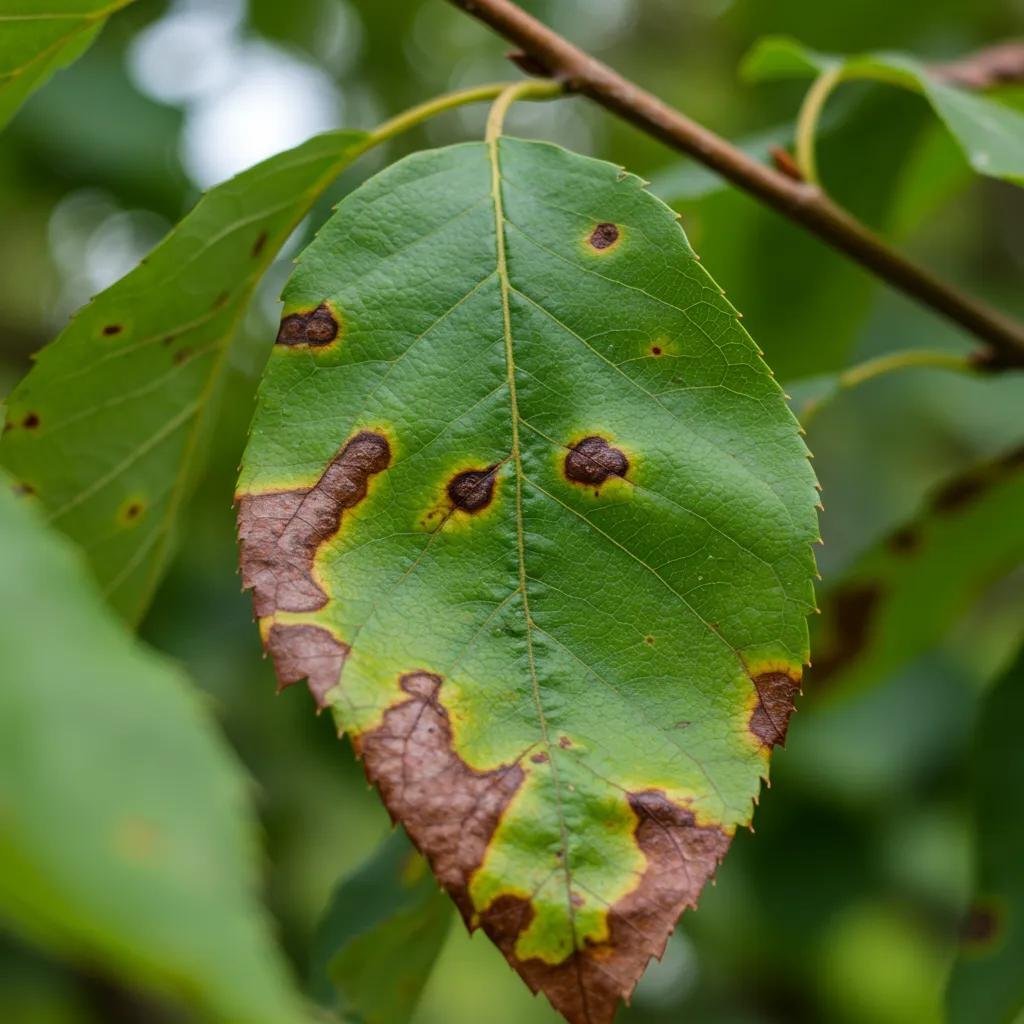
Anthracnose symptoms present across leaf, twig, and branch tissues and often follow a predictable pattern that differs from other causes of leaf damage. Typical indicators include irregular, dark or tan leaf spots often following veins, lesions that coalesce into larger necrotic areas, and premature leaf drop in spring. Twig dieback, sunken cankers, and bark splitting can develop with repeated infections or when secondary pathogens enter weakened tissue, so a full canopy and trunk check is important. Accurate identification combines visual pattern recognition, seasonal timing, and ruling out other stressors to determine whether sanitation and cultural changes or professional diagnosis are needed.
What Do Anthracnose Leaf Spots and Lesions Look Like?
Leaf spots from anthracnose usually appear as irregular tan, brown, or black lesions that often follow leaf veins or margins and may have a faded center with a darker border. Lesions may coalesce to form larger necrotic patches, and affected leaves commonly curl, distort, or drop early in the season, reducing the tree’s photosynthetic capacity. Close-up photos typically show asymmetrical shapes and vein-delimited spots rather than the uniform holes or chewing damage produced by insects, making photographic documentation useful for diagnosis. When photographing, include a mid-branch view to show distribution across the canopy because uneven, vein-associated spotting is a key differentiator for anthracnose.
Symptoms checklist for quick field assessment:
- Irregular, vein-associated brown or black leaf spots
- Leaf distortion, curling, and premature drop
- Spots that merge into larger necrotic areas
- Presence of lesions on young shoots or twigs
How to Recognize Premature Leaf Drop and Defoliation?
Premature leaf drop from anthracnose is notable when leaves fall early in spring shortly after opening, as opposed to normal seasonal shedding in autumn; severity matters when a high percentage of the canopy is affected. Repeated seasonal defoliation—especially over two or more years—indicates a chronic issue that can reduce growth and predispose the tree to pests or root decline. Homeowners can estimate severity by sampling several branches across the canopy and noting percent leaf loss; more than 25–50% premature defoliation in young or high-value trees is a threshold for stronger interventions. Documenting timing and extent each season helps distinguish a one-off cosmetic event from a pattern requiring professional management.
What Are the Signs of Twig and Branch Dieback or Cankers?
Twig and branch dieback begins as localized tip necrosis but can progress into sunken or discolored cankers on branches and stems, often visible as bark splitting or peeled patches where cambium is dead. Physical checks—bending suspect twigs to see if green tissue remains and scraping bark to inspect for discolored cambium—help assess the extent of live tissue, while photographs of cankers support arborist evaluation. Progressive dieback that reaches scaffold limbs or shows sunken lesions near branch collars suggests a deeper infection or secondary colonization and may necessitate targeted removal to prevent structural failure. Early removal of small infected twigs and sanitation reduces inoculum and limits spread to healthier tissue.
How to Differentiate Anthracnose from Frost Damage or Other Diseases?
Anthracnose differs from frost damage and many other diseases in timing, lesion shape, and distribution: frost damage usually follows a cold event and causes uniform browning of exposed tissue, while anthracnose produces irregular, vein-associated spots in wet conditions. Bacterial leaf spots may have water-soaked margins or oozing, and insect feeding typically leaves holes or chewed edges rather than vein-delimited necrosis; observing recent weather and inspecting lesion microscale traits helps narrow the cause. When symptoms are ambiguous or multiple stressors are present, collect clear photos and consider a professional inspection or lab sampling to confirm pathogen identity before applying fungicide or large-scale pruning.
What Are the Most Effective Treatments for Anthracnose on Trees?
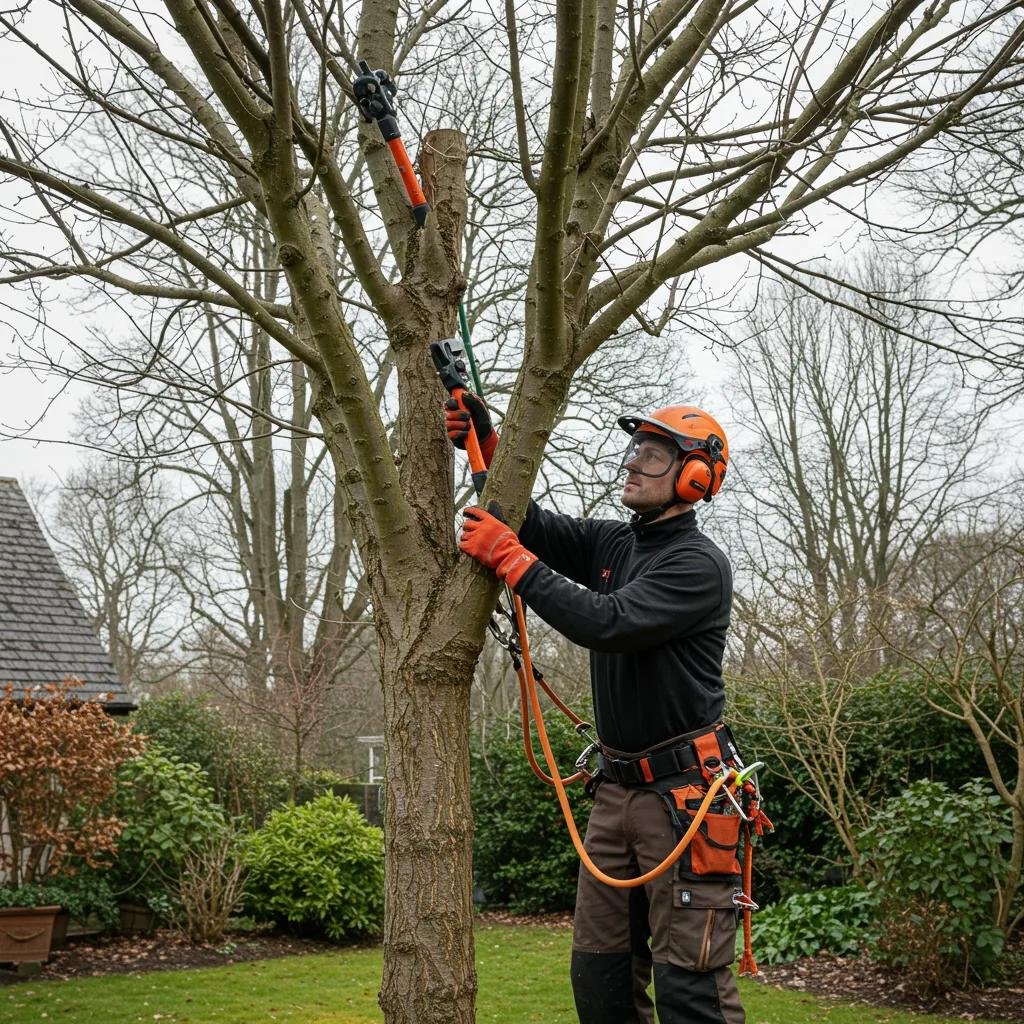
The most effective approach to anthracnose is integrated: pruning and sanitation to remove inoculum, cultural practices to reduce leaf wetness and improve vigor, and fungicide programs for high-value trees or severe outbreaks. Pruning removes infected tissue and opens the canopy for faster drying, sanitation reduces overwintering spores, and fungicides—applied at the correct timing—protect new growth during vulnerable bud break and leaf expansion. Prioritizing actions based on tree value, severity, and timing optimizes outcomes while minimizing unnecessary chemical use; combining cultural and targeted chemical controls yields the best long-term control.
How Does Pruning Help Control Anthracnose?
Pruning directly removes infected twigs and small branches that harbor spores, and strategic thinning improves air movement through the canopy, reducing leaf wetness periods that favor infection. Cuts should be made during dry weather to limit pathogen spread, and tools must be sanitized between cuts to avoid transferring spores; dispose of pruned material away from the dripline or by bagging for municipal disposal.
Structural pruning by a trained arborist can correct crowded branch architecture, improving light penetration and reducing disease microclimates; when larger limbs are involved, professional pruning ensures safety and minimizes collateral damage. Proper pruning thus reduces immediate inoculum and contributes to longer-term canopy resilience.
When and How Should Fungicides Be Applied?
Fungicides can protect new foliage when applied preventatively at bud break and repeated at intervals recommended by the product label, with application timing tied to local spring weather cues and leaf emergence.
Common fungicide classes used for anthracnose control include copper-based products, chlorothalonil, and multi-site protectants that reduce spore germination; effectiveness depends on early, correctly timed sprays and full foliage coverage.
Because fungicide selection and application rates vary and because professional equipment ensures even coverage and safety, fungicide programs are usually recommended for high-value trees or severe, repeat outbreaks while cultural controls manage lower-risk situations. Hiring a certified arborist for flagging high-risk trees and administering treatments improves safety and likelihood of successful control.
Here is a comparison of treatment types to help homeowners prioritize actions:
| Treatment Type | When to Use | Effectiveness / Notes |
|---|---|---|
| Pruning and Removal | Active localized infection, twig dieback | High for removing inoculum; immediate benefit |
| Sanitation (leaf cleanup) | After leaf drop and before bud break | High long-term benefit; reduces overwintering spores |
| Copper-based fungicide | Preventative at bud break for susceptible trees | Effective protectant; best when timed locally |
| Chlorothalonil | Preventative and early curative use | Broad-spectrum; requires repeated applications |
| Cultural Controls (watering, mulching) | Ongoing tree health management | Reduces susceptibility; foundational strategy |
What Cultural Practices Support Anthracnose Treatment?
Cultural practices reduce host susceptibility and lower disease pressure by improving overall tree vigor and reducing leaf wetness time, and they form the foundation of any management plan. Key actions include correct root-zone watering, appropriate mulching to conserve moisture and moderate soil temperature, balanced fertilization timed to promote recovery but avoid flushes of tender growth in disease-prone periods, and spacing/planting choices that prevent crowded canopies. These practices reduce the need for repeated fungicide applications and make trees more resilient to seasonal infection, and they pair effectively with sanitation and pruning to limit inoculum. Prioritizing these cultural measures is an investment in long-term disease reduction and landscape health.
How Does Proper Watering Prevent Fungal Spread?
Watering at the root zone rather than overhead significantly reduces leaf wetness and limits the window for spore germination, while scheduling irrigation for early morning allows foliage to dry during the day. Drip irrigation or soaker hoses deliver moisture efficiently to roots without wetting the canopy, and avoiding late-evening watering during humid periods prevents prolonged leaf wetness that fuels infection. For newly planted or stressed trees, consistent root-zone moisture supports recovery and reduces susceptibility, and combining correct watering with mulch helps stabilize soil moisture and promote root health. Implementing these watering practices complements sanitation and pruning to lower anthracnose risk.
Why Is Raking Fallen Leaves Important for Disease Control?
Fallen leaves harbor overwintering spores that re-seed infections in spring, so timely leaf cleanup and proper disposal reduce the source of inoculum that initiates new outbreaks. Regular cleanup in autumn and again in late winter removes infected material before spore release, and disposing of leaves away from susceptible trees or according to local regulations prevents reinfection. Bagging and removing, or composting at high-temperature facilities, are safer than leaving infected leaves in place; homeowners should avoid shredding and leaving infected debris within the dripline. Consistent sanitation provides one of the most cost-effective, non-chemical strategies to lower future anthracnose pressure.
How Can You Prevent Anthracnose Disease on Trees?
Preventing anthracnose involves selecting relatively resistant varieties, improving site conditions, and maintaining tree vigor through routine care; these measures reduce susceptibility and minimize the need for remedial actions. Planting decisions should favor species or cultivars known to perform well in local climates, while correct siting, soil preparation, and irrigation systems reduce chronic stressors that increase disease risk. Ongoing canopy maintenance—strategic thinning to increase airflow and regular inspection during spring—helps catch early infections and stops them from becoming severe. Prevention combines species choice, site management, and cultural care to create a resilient landscape less prone to repeated anthracnose outbreaks.
Which Tree Varieties Are Resistant to Anthracnose?
Some species and cultivars show relative resistance to anthracnose, and selecting those options for new plantings lowers long-term maintenance and fungicide needs. While resistance is relative and local pathogen strains influence outcomes, choosing landscape trees that historically perform well in your area and that are less prone to severe defoliation will reduce the probability of problematic outbreaks. When establishing a new tree, pair resistant varieties with proper site selection and root-zone care to give them the best chance of thriving.
Introductory prevention practices homeowners can adopt:
- Improve soil and root health through organic matter and sensible mulching
- Choose resistant or regionally proven tree varieties
- Space plantings to allow airflow and reduce humidity in canopies
What Site and Tree Health Management Practices Reduce Risk?
Managing soil structure, avoiding root compaction, mulching correctly, and applying fertilizer based on soil tests strengthens root systems and reduces stress that predisposes trees to infection. Monitoring for drought or waterlogging and addressing drainage problems prevents chronic stress, and avoiding mechanical damage to trunks and roots reduces entry points for pathogens. Regular inspection each spring and after extreme weather helps detect early issues when they are most manageable, while strategic pruning improves canopy structure and decreases disease-favoring microclimates. These site-focused steps form a maintenance schedule that keeps trees vigorous and less vulnerable to anthracnose.
How Does Improving Air Circulation Help Prevent Anthracnose?
Improved air circulation reduces leaf wetness duration and lowers local humidity within the canopy, disrupting the environmental window required for spore germination and infection. Targeted thinning removes inward-growing branches and selective limb reduction opens the crown to sunlight and wind, accelerating drying after rain or dew. Care must be taken to avoid over-pruning; structural pruning by a trained arborist balances disease reduction with tree health and safety. Implementing airflow improvements in strategic areas of the landscape reduces localized disease pressure and enhances the effectiveness of other preventive measures.
| Prevention Practice | Action | Benefit / Frequency |
|---|---|---|
| Raking and debris removal | Remove fallen leaves after autumn and late winter | Reduces overwintering spores; annual |
| Root-zone watering | Use drip irrigation, water early morning | Decreases leaf wetness and stress; ongoing |
| Strategic pruning | Thin canopy for airflow during dry weather | Lowers humidity inside canopy; as-needed |
| Mulching | Apply 2-3 inches of mulch outside trunk flare | Conserves moisture, moderates soil; annual check |
This EAV-style table summarizes routine prevention tasks so homeowners can prioritize and schedule them.
When Should You Call a Professional Arborist for Anthracnose Treatment?
Professional arborist intervention is warranted when trees experience severe defoliation, repeated yearly outbreaks, cankers or branch dieback, or when high-value or structurally important trees are at risk. Certified arborists provide diagnostic services, targeted pruning, and professional fungicide application when appropriate, and they can design a multi-year management plan to restore vigor and reduce recurrence. For many homeowners, the decision is based on thresholds—such as more than 25–50% premature defoliation on a high-value tree, visible cankers on scaffold limbs, or ongoing decline despite cultural measures—because professional action entails cost but also preserves safety and long-term tree value. When in doubt, an on-site diagnosis helps prioritize interventions and avoid unnecessary treatments.
What Services Do Certified Arborists Provide for Tree Disease Diagnosis?
Certified arborists conduct a structured on-site inspection that assesses foliage, branch health, trunk condition, and root-zone factors, and they document symptoms and probable causes while recommending treatment options. When visual inspection is inconclusive, arborists may recommend sampling for lab analysis to identify the pathogen, which refines fungicide selection and management timing; they also produce a treatment plan and follow-up schedule tailored to the tree’s value and condition. Homeowners can expect a diagnostic visit to include risk assessment, treatment cost estimates, and practical cultural recommendations to complement any pruning or chemical controls. This diagnostic clarity helps ensure resources are focused where they deliver measurable health improvements.
Identifying Colletotrichum Species in Mango Anthracnose
Identification and Characterization of Colletotrichum Species Associated with Mango Anthracnose in Guangxi, China
Identification and Characterization of Colletotrichum Species Associated with Mango Anthracnose in Guangxi, China, GS Solangi, 2018
How Can Orlando Tree Removal Help with Anthracnose Treatment?
Orlando Tree Removal provides arborist-led inspections and a range of tree health services relevant to anthracnose management, including professional pruning, sanitation, and targeted treatment planning. The company operates in Orlando, Florida and offers full tree removal, emergency tree removal, professional tree trimming, stump grinding and removal, arborist services, and land clearing, with an emphasis on licensed and insured operations and certified arborists delivering work under a 100 percent satisfaction guarantee. For homeowners seeking an on-site evaluation, Orlando Tree Removal can assess disease severity, recommend pruning or sanitation measures, and coordinate professional fungicide application when justified for high-value or severely affected trees. This specialist support is most valuable when trees show significant decline or structural risk and when homeowners prefer integrated arborist-managed care.
What Are the Benefits of Hiring Licensed and Insured Tree Care Experts?
Hiring licensed and insured tree care professionals protects homeowners from liability and ensures work is performed under safety and quality standards with certified arborist expertise guiding decisions. Licensed operations are more likely to follow best practices for pruning, disposal, and treatment application, while insurance coverage reduces homeowner risk if accidents occur during tree work. Certified arborists provide evidence-based recommendations and can implement multi-step management plans that combine cultural care, targeted pruning, and, when appropriate, professional-grade treatments. These benefits make professional intervention a sound choice when the tree’s value, safety, or long-term health is at stake.
What Are the Most Common Questions About Anthracnose on Trees?
Homeowners commonly ask about the first signs, lethality, curability, inspection frequency, and cross-species spread of anthracnose; clear short answers help inform immediate next steps. Providing concise, authoritative responses reduces uncertainty and points readers to practical thresholds for action such as inspection timing and treatment cadence. The following Q&A addresses typical concerns and includes service logistics for professional inspection and treatment availability.
What Are the First Signs of Anthracnose on Trees?
The earliest signs are small, irregular tan to brown or black leaf spots often near leaf veins and sometimes accompanied by leaf curling or distortion during spring leaf-out. Detecting these signs early—especially when they appear on multiple branches—helps prioritize sanitation and pruning to limit spread and inoculum development. Photographing early spots and noting timing relative to recent wet weather helps professionals confirm diagnosis remotely before scheduling an on-site inspection. Early recognition enables less invasive management and reduces the need for larger interventions later in the season.
Can Anthracnose Kill a Tree?
Anthracnose is usually cosmetic on mature, healthy trees and rarely kills well-established specimens outright, but repeated severe defoliation can weaken trees over seasons and increase mortality risk for young, stressed, or newly transplanted trees. When anthracnose coincides with drought, root damage, or other stressors, the combined effects can accelerate decline, making integrated management essential. For high-value or vulnerable trees, professional diagnosis and a multi-year management plan reduce the cumulative risk and support recovery. Monitoring and addressing underlying stressors are key to preventing long-term damage.
Is Anthracnose Curable or Only Manageable?
Anthracnose is generally managed rather than “cured” because fungi persist in the environment; integrated practices—sanitation, cultural care, and targeted fungicide programs—can control symptoms and markedly reduce recurrence. Professional fungicide programs can protect new growth during vulnerable periods for high-value trees, while sanitation and vigor-enhancing practices lower overall disease pressure. Over time, trees often recover with consistent management, but homeowners should expect ongoing monitoring rather than a one-time permanent cure. Long-term focus on tree vigor and site suitability is the most reliable method to minimize future outbreaks.
How Often Should Trees Be Treated or Inspected for Anthracnose?
Inspect trees annually in spring during wet seasons and after major weather events, with treatment frequency determined by severity and recurrence; severe or repeat outbreaks may require yearly preventative fungicide applications at critical bud-break windows. For most residential trees, an annual spring inspection combined with sanitation and cultural measures suffices, while high-value or repeatedly affected trees may benefit from a professional treatment schedule timed to local leaf emergence. Follow-up inspections after interventions help verify recovery and adjust the plan for the following year. Regular inspection is a low-cost habit that prevents small issues from becoming chronic problems.
Can Anthracnose Spread Between Different Tree Species?
Most anthracnose fungi are host-specific or show strong host preferences, so a pathogen affecting oak may not infect maple; however, shared environmental conditions like prolonged leaf wetness can produce simultaneous outbreaks across species. Confirming spread between species requires pathogen identification, and professional sampling helps determine whether multiple species are affected by the same strain or by different, host-specific fungi. Environmental management and sanitation reduce overall inoculum and the chance of simultaneous outbreaks, even when pathogens differ between species. When multiple species show symptoms, coordinated yard-level management yields the best results.
Identifying Colletotrichum Species in Cassava Anthracnose
Morphological and molecular identification of Colletotrichum species associated with cassava anthracnose in Thailand
Morphological and molecular identification of Colletotrichum species associated with cassava anthracnose in Thailand, 2018
This FAQ also notes that professional inspection and treatment services are available from certified arborists; homeowners can request on-site evaluations for diagnosis, pruning, sanitation, and coordinated treatment programs when thresholds for professional intervention are met.
Where Can You See Examples of Anthracnose Symptoms on Local Trees?
Visual examples are invaluable for confirming anthracnose because the lesion pattern, distribution across the canopy, and timing provide rapid clues to diagnosis. In Orlando landscapes, anthracnose commonly appears on oak and maple in spring after wet periods, producing vein-delimited spots and variable defoliation; annotated photos showing close-up lesions and canopy-level distribution help homeowners and arborists make quick assessments. Providing clear photographs with scale and context accelerates diagnosis and helps arborists determine whether pruning, sanitation, or professional fungicide application is needed. The next subsection outlines species-specific visual cues and offers photo tips for accurate submission.
What Does Anthracnose Look Like on Oak and Maple Trees?
On oak leaves, anthracnose often shows brown to black blotches along veins or near margins and in some cases small twig dieback, producing a patchy, uneven canopy appearance in spring. Maples typically show irregular brown spots and leaf distortion, sometimes with vein-delimited patches and consequential early leaf drop that reduces summer leaf area. Close-up photos should include a ruler or coin for scale, a mid-branch shot to show distribution, and a whole-tree image to capture canopy impact; these angles help distinguish anthracnose from insect or abiotic damage. Species comparison aids prioritization: if both oak and maple in the yard show similar lesion patterns after wet spring weather, coordinated sanitation and inspection are recommended.
How Has Orlando Tree Removal Successfully Treated Anthracnose Locally?
A concise local case study illustrates how integrated arborist-led diagnosis and action reduce disease impact while preserving tree structure and value. In a recent local example, Orlando Tree Removal’s certified arborist identified spring anthracnose on a landscape oak by inspecting leaf lesions and twig dieback, recommended sanitation and selective pruning to remove inoculum, and followed with a targeted treatment plan and scheduled follow-up to monitor recovery. The coordinated approach emphasized arborist diagnosis, removal of infected material, and long-term vigor-enhancing practices that together reduced defoliation the following season and supported canopy recovery. This example shows how professional assessment and integrated treatments can restore tree health without unnecessary broad chemical use.
A link or request mechanism to schedule a local inspection is available through the company’s standard service channels for homeowners who want an on-site evaluation and treatment quote.
This final subsection closes with a short professional sign-off: for homeowners in Orlando seeking arborist diagnosis or an inspection for suspected anthracnose, Orlando Tree Removal’s certified arborists can provide on-site evaluations, pruning and sanitation services, and coordinated treatment recommendations backed by licensed and insured operations and a 100 percent satisfaction guarantee.