

Comprehensive Tree Services in DeBary Plantation: Expert Solutions for Homeowners
Tree services in DeBary Plantation combine professional arborist expertise, local climate knowledge, and safety-first procedures to protect residential landscapes. Homeowners seeking reliable tree care rely on certified specialists to manage everything from routine pruning to urgent storm cleanup. This article maps out cost structures for tree removal and stump grinding, highlights the value of ISA certified arborists, explores trimming and pruning techniques, outlines emergency response protocols, explains permit requirements, details land-clearing and storm-cleanup support, and presents tree-planting and landscaping solutions. By weaving practical insights with McCullough Tree Service’s commitment to free estimates, licensed and insured operations, and swift emergency response, readers gain a clear roadmap for preserving property value, enhancing curb appeal, and ensuring long-term tree health in DeBary Plantation.
What Are the Costs of Tree Removal and Stump Grinding in DeBary Plantation?
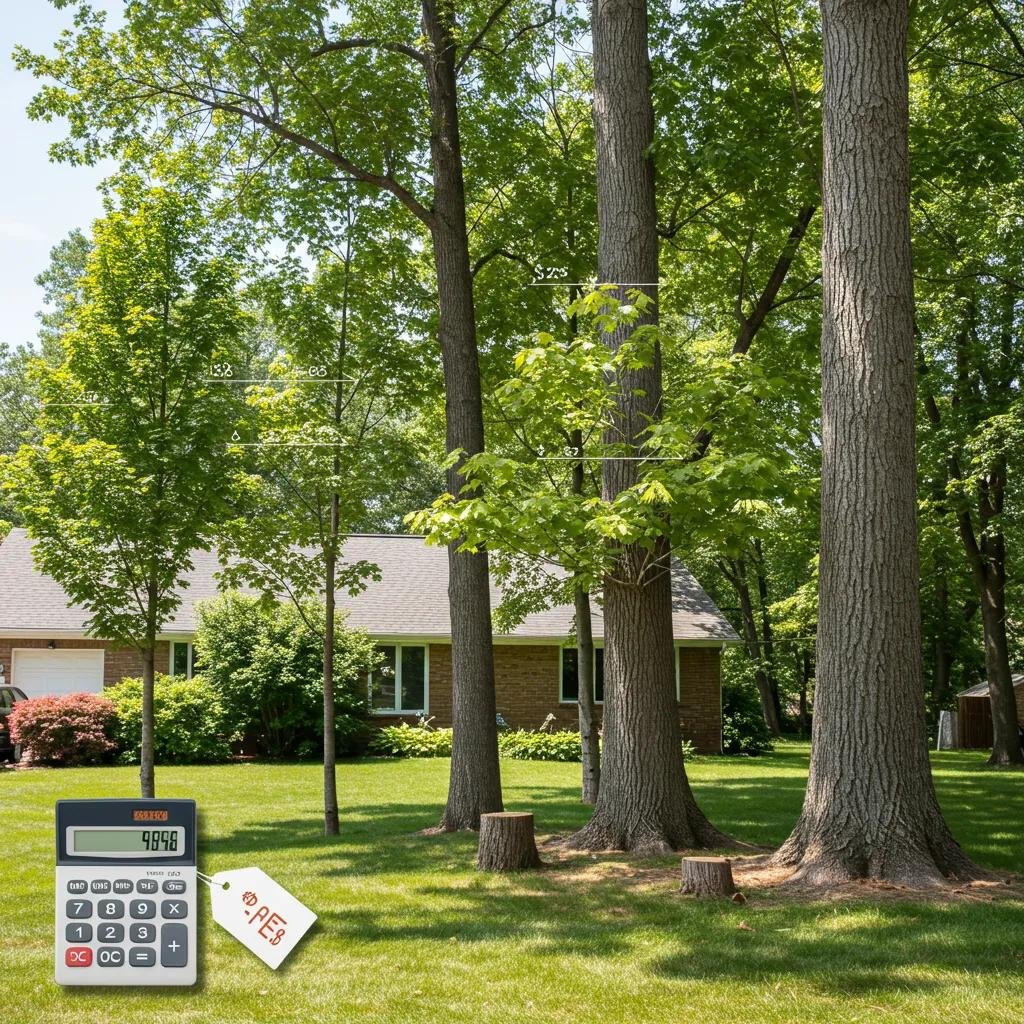
Tree removal and stump grinding in DeBary Plantation reflect a combination of equipment, labour, arborist consultation, and disposal services tailored to local soil and vegetation conditions. Homeowners benefit from transparent pricing that accounts for tree height, trunk diameter, proximity to structures, and access challenges. McCullough Tree Service offers free estimates that break down each cost element, ensuring no-surprise invoices and competitive rates without compromising safety or efficiency. Understanding base rates helps homeowners plan budgets and choose service levels appropriate to property needs while safeguarding against hidden fees.
Cost benchmarks illustrate typical price ranges across standard service tiers, creating a foundation for detailed analyses of removal and grinding factors explored in the following sections.
| Tree Size Category | Typical Price Range | Service Scope |
|---|---|---|
| Small (<30 ft) | $213 – $425 | Single-operator removal, basic site cleanup |
| Medium (30–60 ft) | $426 – $640 | Multi-crew removal, moderate debris hauling |
| Large (>60 ft) | $641 – $875 | Crane-assisted removal, full property protection plan |
These cost benchmarks illustrate typical rates, leading to analysis of precise removal costs based on tree characteristics.
How Much Does Tree Removal Cost in DeBary Plantation?
Tree removal in DeBary Plantation typically ranges from $213 to $875 per tree, depending on height, trunk diameter, and site accessibility. Larger specimens require additional rigging, specialized equipment such as cranes or bucket trucks, and extended labour for safe dismantling. For example, a mature Live Oak exceeding 60 ft might incur higher permits and risk-mitigation charges. McCullough Tree Service’s free estimate process begins with an on-site evaluation by an ISA certified arborist who assesses canopy weight, lean angle, and root proximity to structures. Transparent breakdowns cover labour, equipment, arborist consultation, and green waste disposal, ensuring homeowners understand each component of their invoice and the value of licensed, insured service.
What Factors Influence Stump Grinding Prices in DeBary Plantation?
Stump grinding prices vary according to stump diameter, root complexity, terrain slope, and proximity to hardscapes such as driveways or foundations. Grinders must navigate root masses that extend well beyond visible trunks, and compacted soil or steep inclines can necessitate additional crew or specialized machinery. Accessibility constraints—such as narrow gate entries or overhead utilities—also influence labour time and equipment choice. Soil composition in DeBary Plantation may require deeper grinding to prevent regrowth, and disposal of wood chips and grinding debris adds to total costs.
This combination of factors yields stump-grinding rates that range from $75 for small stumps up to $300 for large, complex root systems.
Are There Affordable Tree Service Options for DeBary Homeowners?
Affordable tree service options in DeBary Plantation include bundled packages, seasonal promotions, and scalable maintenance plans that align with homeowner budgets. McCullough Tree Service offers value bundles combining routine trimming with periodic inspections and discounted stump-grinding add-ons. Flat-rate pricing for groups of small trees and multi-service contracts enable cost savings while preserving landscape health. Seasonal discounts—particularly in winter and early spring—address demand fluctuations and facilitate preventative care at reduced rates. Free, no-obligation estimates ensure homeowners select the most cost-effective combination of removal, pruning, and grinding services without sacrificing licensed and insured expertise.
These budget-friendly solutions address primary cost concerns and transition into the expertise that certified arborists bring to each engagement.
How Do Certified Arborists Enhance Tree Care in DeBary Plantation?
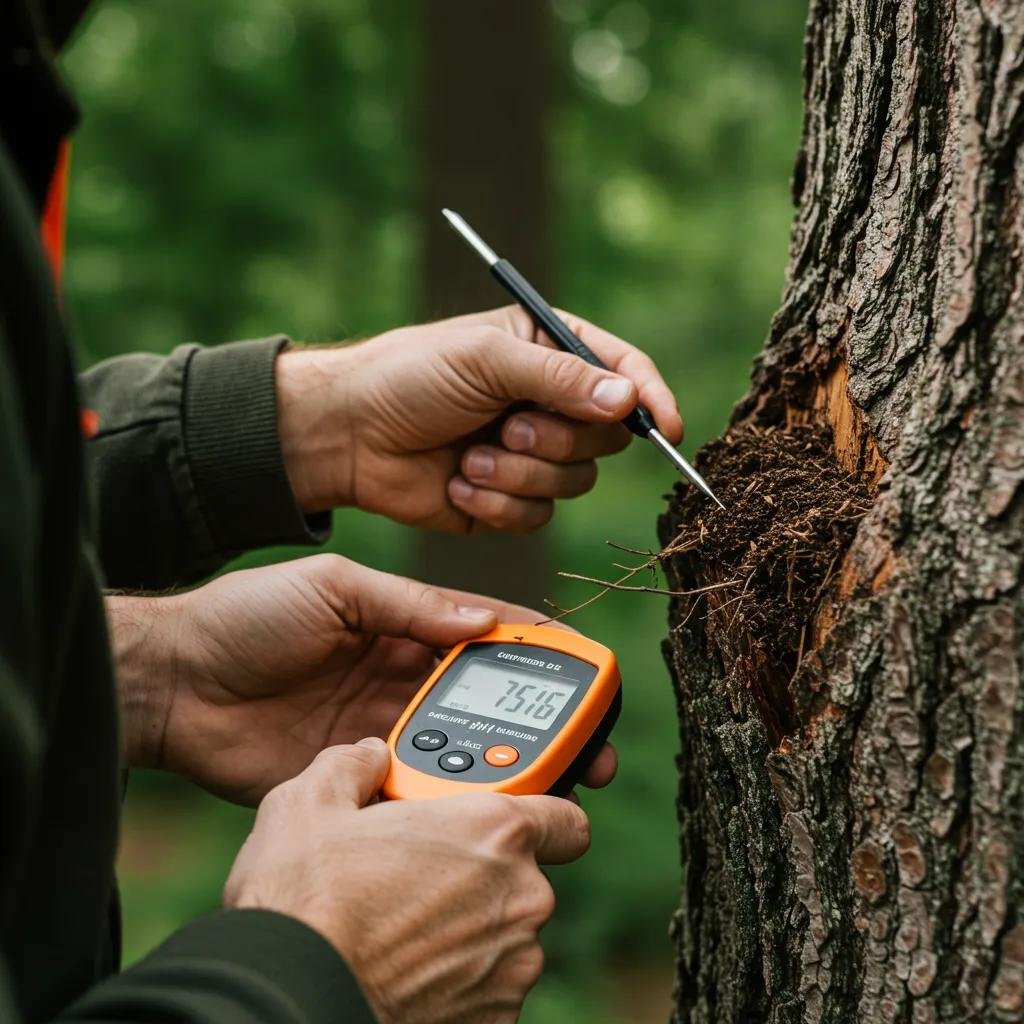
Certified arborists bring scientific tree health assessment, disease diagnosis, and tailored care plans that protect property and promote long-term vitality. An ISA certified professional evaluates species-specific needs—such as Live Oak nutrient requirements or Southern Pine pest resistance—while recommending targeted treatments, soil amendments, and mulch bed designs. Their expertise encompasses proper pruning techniques that reduce limb stress, selective fertilisation for disease prevention, and structural pruning to safeguard homes against storm damage. Homeowners gain confidence from licensed and insured consultations that translate complex arboriculture principles into actionable maintenance schedules. This holistic approach underpins property value, curb appeal, and landscape sustainability across DeBary Plantation.
What Is an ISA Certified Arborist and Why Is Certification Important?
An ISA certified arborist is a professional who has passed rigorous exams administered by the International Society of Arboriculture, demonstrating mastery of tree biology, soil science, safety standards, and ethical practices. Certification confirms up-to-date knowledge of pest and disease management, advanced pruning protocols, and emergency response techniques. Homeowners benefit from reduced risk of improper cuts that hamper tree health or void warranties on landscape insurance. Selecting an ISA certified arborist ensures compliance with local regulations, leverages best-practice methodologies, and underscores a commitment to environmental stewardship in DeBary Plantation.
How Do Arborists Assess Tree Health and Disease in DeBary?
Arborists assess tree health through visual crown inspections, core sampling, and root collar evaluations to detect early signs of disease, pests, or structural weaknesses. They identify fungal infections—such as oak wilt or canker diseases—using moisture meters and airborne spore sampling, then prescribe pruning or chemical treatments aligned with environmental guidelines. Soil pH and nutrient analyses inform fertilisation recommendations tailored to local sand-based soils. Early detection of pest infestations like ambrosia beetles allows for targeted bole injections, minimising collateral impact. This comprehensive diagnostic process safeguards tree longevity, property safety, and community aesthetics.
When Should You Schedule an Arborist Consultation in DeBary Plantation?
You should schedule an arborist consultation when trees display leaf discoloration, dieback, unusual canopy thinning, or after severe weather events. Winter and early spring appointments optimise pruning timing for most native species, reducing sap-bleed stress and promoting vigorous regrowth. Consulting before construction or land-clearing projects ensures proper protection of root zones and compliance with local ordinances. Pre-storm assessments and proactive risk evaluations prepare homes for hurricane season, minimising the chance of hazardous limb failure. Regular annual inspections by a certified professional maintain landscape health and preempt costly emergency removals.
What Tree Trimming and Pruning Services Are Available in DeBary Plantation?
Tree trimming and pruning services in DeBary Plantation include crown thinning, crown reduction, deadwood removal, and formative pruning to maintain structural integrity and visual appeal. Arborists use industry-standard techniques—such as directional cuts and branch collar preservation—to minimise wound size and encourage healthy regrowth. Seasonal adjustments account for local rainfall patterns, ensuring service timing aligns with the dormant season for most hardwoods. Emergency pruning after storms removes hazardous limbs, while routine maintenance prevents overgrowth from encroaching on roofs, power lines, or neighbouring properties. This suite of services enhances tree health, mitigates safety risks, and elevates property value.
How Does Tree Trimming Improve Tree Health and Property Value?
Tree trimming improves tree health by removing dead or diseased limbs that can harbor pests and inhibit airflow, reducing the likelihood of fungal outbreaks. Structured pruning redistributes energy to vigorous branches, fostering balanced canopy development and improved photosynthesis efficiency. Well-maintained trees contribute to property value through enhanced curb appeal and reduced liability from falling debris. Proper trimming also stimulates new growth in strategic areas, creating lush, stable canopies that frame homes and outdoor spaces attractively.
When Is the Best Time to Prune Trees in DeBary Plantation?
The best time to prune most hardwood trees in DeBary Plantation is during winter dormancy—between December and March—when sap flow is minimal and pest pressure is low. Early spring pruning before bud break promotes quick wound closure and robust regrowth. Avoid summer pruning on heat-sensitive species and hurricane season activities when storms may necessitate emergency services. Tailoring pruning schedules to local climate patterns supports optimal healing and tree resilience.
What Are Crown Thinning and Deadwood Removal Services?
Crown thinning selectively removes interior branches to improve light penetration, reduce wind resistance, and maintain canopy shape. Arborists carefully eliminate crossing, rubbing, or poorly attached limbs to prevent storm-induced failures. Deadwood removal targets non-living branches that pose safety hazards and serve as entry points for decay organisms. These specialised techniques extend tree longevity, reduce maintenance costs, and preserve structural integrity in residential environments.
When and How Should You Use Emergency Tree Services in DeBary Plantation?
Emergency tree services address imminent hazards such as storm-damaged limbs, uprooted trees, and unstable trunks that threaten life, property, or utilities. Rapid response protocols deploy certified crews equipped with chainsaws, cranes, and safety rigs to stabilise or remove dangerous elements. Immediate assessments prioritise high-risk structures—rooftops, power lines, fences—and establish exclusion zones to protect residents. Licensed and insured operations streamline emergency claims and ensure compliance with local regulations. Swift intervention minimises further damage, reduces insurance liabilities, and restores safe conditions for homeowners.
What Situations Require Emergency Tree Removal in DeBary?
Emergency tree removal is required when a tree shows signs of imminent failure—such as large, hanging limbs after a storm, split trunks, root plate heave, or contact with electrical lines. Uprooted specimens blocking driveways or threatening foundations demand immediate attention to avoid structural collapse. Trees weakened by disease or pests that lean dangerously toward buildings also qualify for urgent removal to prevent catastrophic damage.
How Quickly Can Emergency Tree Services Respond in DeBary Plantation?
Emergency tree services in DeBary Plantation typically respond within 2–4 hours of notification, with same-day service available during peak storm seasons. Dedicated crews operate 24/7 to address urgent calls, deploying on-site assessments within the first hour of arrival. Rapid mobilisation of specialised equipment and pre-staged resources ensures efficient hazard mitigation and minimal wait times for homeowners.
What Safety Measures Are Taken During Emergency Tree Removal?
During emergency removal, crews establish clear exclusion zones using barricade tape and signage to protect bystanders. Arborists conduct risk assessments for overhead utilities, coordinate with utility providers, and employ cable bracing or rigging to remove branches incrementally. Personal protective equipment—including helmets, harnesses, and eye protection—ensures worker safety. Post-removal site inspections confirm stability, check for remaining hazards, and verify all debris is cleared to restore safe access.
What Are the Tree Removal Permit Requirements in DeBary Plantation?
Tree removal permit requirements in DeBary Plantation fall under City of DeBary Ordinance Chapter 18, dictating when a permit is needed for cutting or relocating trees. Any specimen exceeding 10 inches in diameter at breast height (DBH) requires municipal approval, while heritage species or trees within protected buffers trigger additional review. Permit applications must include an arborist report, site plan indicating tree locations, and mitigation proposals such as replanting native specimens. McCullough Tree Service assists homeowners by preparing documentation, submitting plans electronically, and liaising with local authorities to expedite approvals. Understanding thresholds and procedural steps ensures lawful compliance and avoids fines.
When Is a Tree Removal Permit Required in DeBary Plantation?
A tree removal permit is required when removing trees with a DBH greater than 10 inches, heritage oaks, or any specimens located within wetland or conservation buffers. Projects involving land development, soil disturbance, or construction activities near protected groves also trigger permit obligations to safeguard community green spaces.
How Do You Apply for a Tree Removal Permit in DeBary?
To apply for a tree removal permit, submit a completed application form to the Planning and Zoning Division, including a scaled site plan with tree canopy outlines, an ISA certified arborist’s report, photographs of the subject trees, and a mitigation plan proposing comparable native plantings. Permit fees vary by DBH and species classification, and processing typically takes 2–4 weeks. Professional arborists often handle submissions on behalf of homeowners to streamline document accuracy and compliance.
What Role Do Certified Arborists Play in Permit Documentation?
Certified arborists prepare technical reports that assess tree health, classify species, and recommend preservation or mitigation measures. Their credentials satisfy ordinance requirements for expert evaluation, and their professional analysis substantiates permit applications. By providing detailed tree inventories, health assessments, and mitigation plans, arborists accelerate municipal reviews and ensure adherence to local environmental standards.
How Does Land Clearing and Storm Cleanup Support Property Maintenance in DeBary Plantation?
Land clearing and storm cleanup services provide comprehensive removal of vegetation, debris, and hazardous materials to prepare sites for construction, landscaping, or post-storm recovery. Arborist-led assessments identify protected trees to preserve, while equipment such as bulldozers, skid steers, and chipper trucks handle brush, root masses, and uprooted trees efficiently. Storm cleanup operations prioritise rapid debris removal from driveways, yards, and drainage channels to reduce flood risk and restore accessibility. Licensed and insured crews follow environmental best practices, recycling green waste into mulch or biomass. These services protect property investments by preventing water damage, vermin infestations, and erosion, while laying the groundwork for new landscaping or rebuilding efforts.
What Is Included in Land Clearing Services for DeBary Homeowners?
Land clearing services include removal of trees, brush, understory vegetation, and invasive species, followed by stump grinding and grading to achieve desired elevation. Soil stabilization measures—such as silt fencing and erosion control mats—are installed to prevent runoff. Debris recycling converts cleared material into mulch or biomass, aligning with eco-conscious waste management. Comprehensive site restoration readies properties for construction, landscaping, or agricultural use, ensuring compliance with local ordinances.
How Is Storm Cleanup Managed After Severe Weather in DeBary?
After severe weather, storm cleanup crews triage high-risk areas, prioritising public access routes and residential driveways. Emergency tree removal, limb chipping, and debris hauling restore safety zones. Drainage channels and culverts are cleared to prevent flooding, while hazard mitigation teams inspect leaning or cracked trunks. Licensed arborists advise on selective pruning or cabling to reinforce damaged but salvageable trees. Rapid, coordinated response minimises secondary damage and expedites return to normalcy.
How Do These Services Protect Property Value and Safety?
Land clearing and storm cleanup preserve property value by eliminating potential structural threats, preventing erosion, and reducing insurance liabilities. Clean, debris-free landscapes enhance curb appeal and support safe pedestrian and vehicle access. By addressing hazards promptly, homeowners avoid costly structural repairs and maintain the integrity of their investment in DeBary Plantation.
Which Tree Planting and Landscaping Services Are Best Suited for DeBary Plantation?
Tree planting and landscaping services in DeBary Plantation focus on native species selection, strategic placement for shade and wind protection, and ongoing maintenance to support establishment. Recommended species include Live Oak (Quercus virginiana), Southern Magnolia (Magnolia grandiflora), Cabbage Palm (Sabal palmetto), and Red Maple (Acer rubrum), each adapted to local soil and moisture conditions. Planting packages integrate soil amendment, staking, and mulching to promote root growth, while drip irrigation systems optimise water usage. Professional landscapers design aesthetic groupings that enhance property value, mitigate storm impact, and support local biodiversity. Ongoing care plans involve periodic fertilisation, pruning, and pest monitoring to ensure mature tree health and landscape longevity.
What Native Tree Species Are Recommended for DeBary Plantation?
Recommended native species for DeBary Plantation include Live Oak for robust canopy structure, Southern Magnolia for year-round foliage, Cabbage Palm for low-maintenance vertical interest, and Red Maple for seasonal color. These species tolerate local summer heat, sandy soils, and occasional flooding, promoting sustainable growth with minimal intervention.
How Does Tree Planting Enhance Property Value and Environment?
Tree planting enhances property value by improving curb appeal, providing shade that lowers energy costs, and creating wildlife habitats that support local ecosystems. Mature trees can increase residential appraisals by up to 10 percent, while contributing to urban cooling, carbon sequestration, and soil stabilization. Strategic placement near driveways or patios maximises functional and aesthetic benefits.
What Are the Best Practices for Tree Care After Planting in DeBary?
Best practices include deep watering schedules tailored to sandy soils, application of slow-release fertilisers timed to growth cycles, and protective mulching to conserve moisture and suppress weeds. Regular inspections for pests and diseases allow early intervention, while formative pruning establishes strong branch architecture. Monitoring soil pH and adjusting irrigation frequency ensures healthy root development in DeBary’s subtropical climate.
Healthy planting completes the holistic tree-care continuum outlined under our primary heading, reinforcing long-term benefits for homeowners across DeBary Plantation.
Homeowners in DeBary Plantation now have a complete guide to costs, expert arborist services, pruning techniques, emergency response, permit navigation, land-clearing operations, and sustainable planting strategies. By partnering with licensed and insured professionals offering free estimates and rapid emergency support, residents can maintain safe, attractive landscapes that enhance property value and ecological resilience throughout the seasons.