

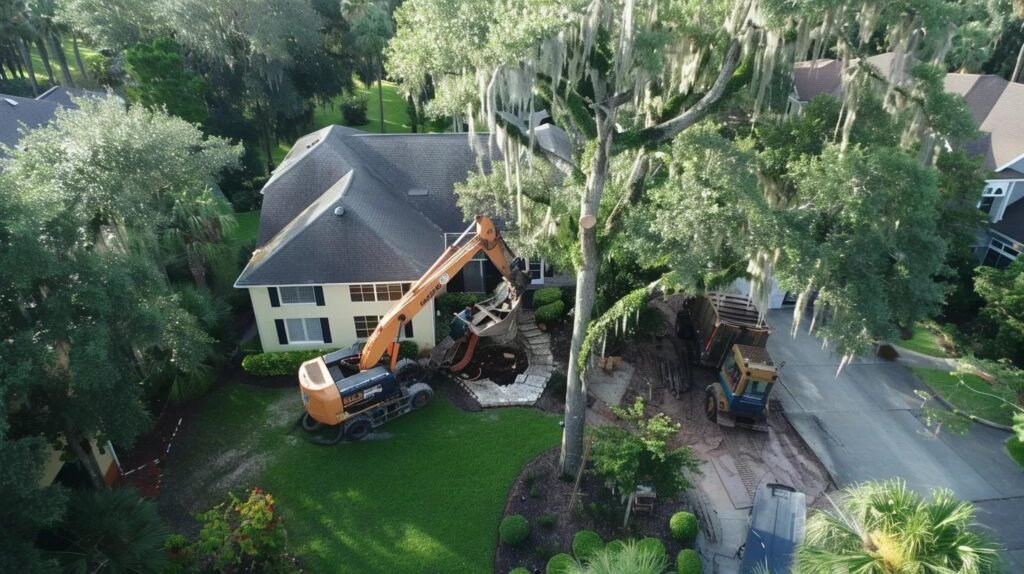
Tree Pruning Best Practices for Promoting Healthier Trees
Tree pruning is essential for maintaining the health and vitality of trees, yet many homeowners overlook its importance. Studies show that properly pruned trees are more resilient to disease and pests. This post will cover effective pruning techniques, the best times to prune, and the tools needed for success. By understanding these best practices, readers will learn how to enhance their trees’ growth and appearance, addressing common challenges like overgrown branches and nutrient deficiencies. Engaging with this content will empower homeowners to make informed decisions about tree trimming and care, promoting healthier landscapes.
Key Takeaways
- Proper pruning techniques promote tree health and prevent diseases effectively
- Timing seasonal pruning enhances growth and minimizes stress on trees
- Using high-quality tools ensures clean cuts that support tree recovery
- Regular monitoring after pruning is crucial for identifying potential issues early
- Mulching and watering aid in the recovery of pruned trees, enhancing overall vitality
Tree Pruning Techniques for Healthier Trees
Understanding different pruning methods is essential for maintaining the health of trees, such as elms, especially in urban forestry contexts where tree trimming near me is frequently utilized. Correct pruning techniques can prevent disease and promote growth. This section will provide a step-by-step guide to effective pruning, including the use of tools like pruning shears and chainsaws, while focusing on the appropriate practices for managing tree diameter and coordinating with junk removal services.
Understanding Different Pruning Methods
Understanding different pruning methods is vital for tree health and longevity. Techniques such as pollarding can be particularly effective for deciduous species, allowing for new leaf growth while maintaining structure. Proper pruning not only enhances tree stability but also supports better irrigation and nutrient uptake, especially when paired with compost to enrich soil quality.
Importance of Correct Pruning Techniques
Correct pruning techniques are vital in ensuring the health and stability of trees such as maple and oak. Proper methods, including understanding the significance of the branch collar, prevent complications like tree topping, which can harm tree structure and inhibit growth. Engaging in suitable pruning practices not only fosters healthy bud development but also enhances the tree’s overall vitality, allowing it to thrive in its environment.
Step-by-Step Guide to Pruning Trees
Pruning trees effectively requires a structured approach to ensure their health and longevity. Begin by selecting the right tools, such as loppers for smaller branches and a saw for larger ones, which aids in making clean cuts that help prevent disease. Focus on thinning out crowded areas to improve air circulation and sunlight access, which enhances tree care and supports overall vitality:
- Gather necessary tools, including loppers and saws.
- Identify branches that need removal, focusing on crowded or diseased areas.
- Cuts should be made at a slight angle just above the bud or branch collar to promote healthy growth.
- Regularly step back and assess the tree’s shape to ensure even pruning.
- Dispose of any pruned vines or debris properly to prevent disease spread.
Pruning shapes a tree’s future, allowing it to thrive amid its surroundings. Understanding the benefits of this practice reveals why it is essential for the health of every tree.
Benefits of Tree Pruning for Tree Health
Pruning offers numerous benefits that significantly enhance the health of trees, including species like azalea and cornus. It promotes robust growth and solid structure by allowing better airflow and sunlight accessibility. Furthermore, effective pruning reduces the risk of pests and diseases, creating a healthier environment for trees. Each of these aspects contributes to the vitality of lawns and surrounding vegetation.
Enhancing Tree Growth and Structure
Enhancing tree growth and structure is a crucial outcome of effective pruning practices. By selectively removing branches, particularly those competing with the main stem, trees can allocate their energy toward developing a robust structure and healthier crop yield. Proper pruning during the dormant season encourages new growth when conditions are favorable, allowing for better resilience against drought and other environmental stresses. Regular maintenance, achieving cuts at least an inch above the bud, facilitates cleaner healing and strengthens the tree’s overall vitality.
Promoting Airflow and Sunlight Accessibility
Promoting airflow and sunlight accessibility is essential for the health of trees and shrubs, such as lagerstroemia. Proper pruning creates an environment where each branch has equal opportunity to receive light and grow without competition, ultimately enhancing the tree’s habit. Additionally, this practice reduces the risk of injury from overcrowding, as it decreases the likelihood of fungal infections and pest infestations, leading to stronger, more resilient trees.
Reducing Pests and Diseases
Effective pruning significantly reduces the likelihood of pests and diseases infesting trees by promoting healthier branch structures. For instance, removing crowded or dead branches prevents the accumulation of moisture that attracts harmful insects and fungi, which can damage the bark. By ensuring that the tree receives ample sunlight and airflow, the risk of infection from potential pests, such as grape vine borers or other detrimental insects, is minimized, leading to a more resilient tree.
Understanding the benefits of tree pruning is just the beginning. Next, it is essential to know when to take action, for timing can make all the difference in a tree’s recovery and growth.
Identifying Ideal Pruning Timing
Identifying the ideal timing for pruning is crucial for tree health. Seasonal considerations dictate when to prune various tree types, affecting their canopy and tissue development. Signs indicating the right time include assessing growth patterns and monitoring risk factors. Additionally, understanding age considerations for young trees ensures appropriate practices are applied for their ongoing health and stability.
Seasonal Considerations for Pruning
Seasonal considerations play a significant role in tree pruning, as the timing can vary based on tree species and their growth patterns. For instance, pruning during late winter or early spring is ideal for deciduous trees, as it encourages strong growth while minimizing the risk of stress or disease, such as infestations from beetles. Additionally, removing water sprouts during this period can enhance the overall structure of the landscape and promote healthier foliage, while applying proper dressing to any cuts aids in the healing process.
| Season | Ideal Pruning Timing | Key Considerations |
|---|---|---|
| Spring | Late Winter to Early Spring | Best for deciduous species; addresses water sprouts |
| Summer | Mid-Summer | Optimal for removing dead or diseased wood |
| Fall | Early Fall | Avoid heavy pruning; focus on minor maintenance |
| Winter | Late Dormant Season | Effective for most species; reduces stress |
Signs Indicating the Right Time to Prune
Identifying the right time to prune trees, including woody plants near sidewalks, relies on observing specific signs. Noticing growth patterns, such as the emergence of new leaves and the development of excess branches, indicates that a tree may benefit from pruning. Additionally, if there are visible signs of disease, such as fungus on the bark, or if a tree has outgrown its space following transplanting, it may be time to consult a certified arborist for expert guidance:
- Watch for new growth in spring.
- Look for signs of disease, like fungus, on the tree.
- Evaluate branch crowding impacting the tree’s structure.
- Assess space limitations impacting surrounding sidewalks.
- Consider the tree’s age and health when deciding on pruning.
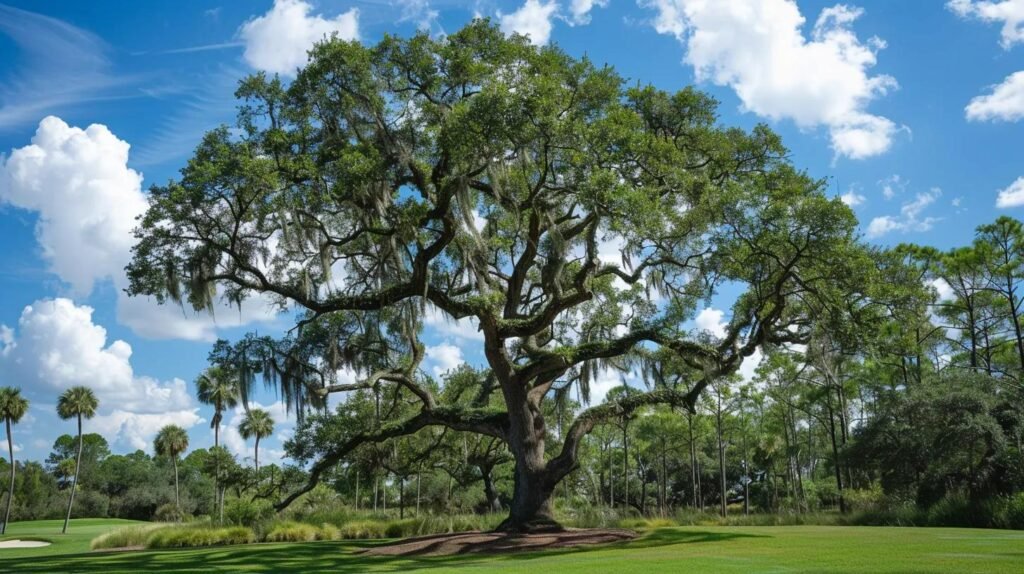
Age Considerations for Young Trees
When it comes to young trees, timing is crucial for effective pruning to foster healthy growth and stability. These trees require specific attention, as their developing structures are more sensitive to external factors like wind and wildlife. By pruning appropriately during the optimal seasons, young trees can develop robust forms while minimizing stress, allowing them to establish strong root systems and thrive in their landscape or agriculture settings, including the formation of hedges for added protection.
Knowing when to prune is crucial. Now, let’s turn to the tools that will make the task easier and more effective.
Essential Tools for Effective Pruning
Choosing the right pruning equipment is fundamental for efficient tree maintenance, whether for species like vitex or techniques like espalier and bonsai. Safety gear is essential to protect arborists while working, and routine maintenance of pruning tools ensures longevity and optimal performance. This section will discuss selecting tools, necessary safety precautions, and how to keep equipment in prime condition for effective pruning.
Choosing the Right Pruning Equipment
Selecting the right pruning equipment is essential for promoting healthier trees, as the tools used can significantly influence the outcome of the pruning process. For instance, using high-quality pruning shears ensures clean cuts on smaller branches, which helps reduce the risk of wounds that could become entry points for pests and diseases. Meanwhile, larger tools, like saws, are necessary for addressing the trunk or thick branches, allowing trees to redirect energy towards healthy growth and maintaining overall soil quality to support the surrounding ecosystem.
Safety Gear for Tree Pruning
Safety gear is an essential aspect of effective pruning in horticulture, particularly when managing trees vulnerable to diseases like oak wilt. Arborists should wear protective gloves, goggles, and hard hats to safeguard against potential injuries from falling branches or sharp tools, such as pruning scissors. Prioritizing safety not only ensures the well-being of the individual but also promotes a more efficient and focused pruning process, ultimately contributing to healthier trees.
Maintenance of Pruning Tools
Maintaining pruning tools is essential for achieving optimal results in tree care. Regular cleaning and sharpening not only prolong the lifespan of tools such as shears and saws but also promote healthier cuts that minimize damage to trees. For instance, using well-maintained tools can prevent jagged edges that may invite pests and diseases, thereby contributing to the overall vitality of trees during the pruning process.
With the right tools in hand, a precise cut can mean the difference between a thriving branch and one that weakens. Next, the focus shifts to the best practices for cutting techniques, where each slice holds the promise of growth.
Best Practices for Cutting Techniques
Effective cutting techniques are fundamental for maintaining and promoting the health of trees. Proper cutting angles are crucial for wound healing, helping trees quickly recover from pruning. Avoiding common cutting mistakes ensures that trees are not weakened or damaged, while specific techniques for pruning different branch sizes contribute to overall stability and growth. The following sections will explore these key aspects in detail.
Proper Cutting Angles for Wound Healing
Proper cutting angles play a crucial role in wound healing for trees. When pruning, cuts should be made at a slight angle, typically around 45 degrees, just above the bud or branch collar. This technique helps direct water away from the wound, minimizing the risk of rot and disease while allowing for quicker healing and promoting healthy growth.
- Make cuts at a 45-degree angle to ensure water drainage.
- Target the branch collar for optimal healing and recovery.
- Avoid leaving stubs, as they can attract pests and diseases.
Avoiding Common Cutting Mistakes
Avoiding common cutting mistakes is essential for ensuring the health and longevity of trees. One frequent error is making cuts too close to the trunk or leaving excessively long stubs, both of which can hinder proper healing and invite pests. Pruning cuts should always be made at a proper angle above the branch collar to facilitate efficient healing and promote healthy regrowth:
- Avoid cutting too close to the trunk.
- Ensure cuts are made at a 45-degree angle.
- Focus on cutting above the branch collar to support healing.
Techniques for Pruning Different Branch Sizes
When pruning trees, understanding the techniques for handling different branch sizes is essential for maintaining their health. For small branches, clean cuts with pruning shears promote quick healing and reduce the risk of infection. When addressing larger branches, it is advisable to use a saw and apply the three-cut method: an initial notch cut to prevent bark tearing, followed by a cut from the top to remove the majority of the weight, and finally a finishing cut at the branch collar. This method efficiently supports healing while minimizing damage to the tree:
- Use pruning shears for clean cuts on small branches.
- Employ the three-cut method for larger branches.
- Ensure cuts are made at proper angles to support healing.
The cuts have been made, and now the tree stands, lighter yet resilient. Caring for these pruned limbs is essential; it determines how well they will thrive in the days to come.
Caring for Pruned Trees
Caring for pruned trees involves several essential post-pruning maintenance strategies that support optimal recovery and growth. This section will cover the importance of monitoring tree recovery after pruning to ensure healthy regrowth. It will also highlight the benefits of mulching and watering, which are critical practices to promote a thriving environment for trees following pruning.
Post-Pruning Tree Maintenance Strategies
Post-pruning tree maintenance strategies play a critical role in ensuring healthy regrowth and the overall vitality of trees. After pruning, it is essential to monitor the tree’s recovery, which includes checking for signs of stress or disease. Providing adequate watering and applying mulch can support moisture retention and encourage healthy root development, helping trees bounce back effectively from pruning stress. Regular assessments of the tree’s health will also enable homeowners to address any potential issues early on, ensuring that the tree remains robust and well-formed.
Monitoring Tree Recovery After Pruning
Monitoring tree recovery after pruning is essential for ensuring the long-term health of the tree. Homeowners should regularly check for signs of new growth, which indicates the tree is adapting well to the pruning. Additionally, observing any signs of stress, such as wilting leaves or discoloration, allows for early intervention to address potential issues and promote stronger vitality moving forward.
Importance of Mulching and Watering
Mulching and watering play critical roles in the recovery of pruned trees, serving to retain moisture and provide essential nutrients. Applying mulch around the tree base helps regulate soil temperature and suppress weed growth, enhancing the overall health of the tree. Adequate watering ensures that the tree has access to the moisture it needs to recover from the stress of pruning, promoting strong new growth and resilience against pests.
- Mulching retains moisture and regulates soil temperature.
- Watering is essential for recovery after pruning.
- Both practices enhance tree health and resilience against pests.
Caring for pruned trees is only the beginning of a fruitful journey. To truly thrive, one must seek out the wisdom of additional resources that illuminate the art of pruning.
Resources for Further Learning on Pruning
To further enhance knowledge about tree pruning, various resources are available. Recommended books and guides offer comprehensive insights into pruning techniques and best practices for tree care. Additionally, online tutorials and workshops serve as valuable platforms for practical learning, helping individuals apply proper pruning methods effectively. These resources contribute greatly to promoting healthier trees and sustaining a vibrant landscape.
Recommended Books and Guides on Pruning
For those seeking to deepen their understanding of tree pruning techniques, several highly recommended books and guides serve as excellent resources. Titles such as “The Pruning Book” by Lee Reich provide comprehensive insights into various pruning methods, while “Pruning Made Easy” by Gregory J. Davis offers practical tips designed for both novice and experienced gardeners. These resources equip readers with essential knowledge to enhance their tree care practices effectively:
- The Pruning Book by Lee Reich
- Pruning Made Easy by Gregory J. Davis
- Tree Pruning: A Complete Guide by Bob V. McLain
Online Tutorials and Workshops for Tree Care
Online tutorials and workshops for tree care provide valuable resources for individuals looking to improve their pruning skills and overall tree management techniques. These platforms often offer practical demonstrations led by experienced arborists, allowing participants to see firsthand the proper methods for effective pruning. Engaging in these instructional sessions supports learners in recognizing the specific needs of various tree species while enhancing their ability to maintain healthier trees.
- Gain insights from experienced arborists.
- Learn proper pruning techniques through practical demonstrations.
- Understand the needs of different tree species.
Conclusion
Effective tree pruning is essential for promoting healthier trees and enhancing their longevity in any landscape. Implementing best practices, such as selecting the right tools, understanding seasonal timing, and applying proper cutting techniques, directly impacts tree vitality and pest resistance. Regular monitoring and post-pruning care, including mulching and watering, further support robust growth and resilience. By prioritizing these practices, homeowners can ensure their trees thrive and contribute positively to their environment.