

Comprehensive Guide to Local Regulations for Homeowners: Building Permits, Tree Removal, and Property Laws in DeBary, Florida
Homeowners navigating the complexities of DeBary, Florida building permits, tree removal regulations, and property laws face significant legal and financial risks without clarity on local requirements. This guide delivers actionable definitions, step-by-step mechanisms, and practical benefits to ensure compliance with city ordinances, building codes, and environmental protections. Readers will discover:
- The scope and process of building permits for home extensions
- Key city of DeBary rules governing tree removal and protected species
- How building codes differ from building permits and ensure safety
- Property boundary laws, fence standards, and tree encroachment implications
- Business license obligations for home-based enterprises
- Environmental compliance duties impacting residential properties
- Concise expert answers to common regulatory questions
By weaving in essential homeowner insights and highlighting professional arborist support, this resource empowers readers to make informed decisions and avoid penalties.
What Are DeBary, Florida Building Permit Requirements for Homeowners?

Building permits are the formal approval granted by local city or county authorities to alter or extend residential property, ensuring developments align with zoning laws, historic preservation (if applicable), and environmental standards. This consent mechanism promotes sustainable neighborhood growth and protects community interests. Homeowners benefit from clarity on permitted developments, reduced refusal risk, and streamlined approval timelines when they adhere to these requirements.
Before detailing sub-processes, the table below compares core permit attributes across typical project types.
| Project Type | Approval Required When | Typical Fee Range |
|---|---|---|
| Home Extension | Exceeds permitted development thresholds or requires structural changes | $200–$1000+ |
| Loft Conversion | Volume increase over standard limits | $250–$1000+ |
| Conservatory | Exceeds permitted dimensions or requires foundation work | Often exempt or minimal |
| Garage or Outbuilding | Floor area exceeds standard limits or forward distance restrictions | $180–$800+ |
This comparison guides homeowners toward the correct application type and anticipated investment, laying the groundwork for targeted application steps.
When Do You Need Building Permits for Home Extensions?
- Increases total square footage or exceeds height limits set by zoning.
- Extends beyond permitted setbacks or requires significant structural changes.
- Affects a historic property or conservation overlay district.
These triggers safeguard neighboring properties and preserve community character, ensuring extensions integrate seamlessly within the local environment.
How to Apply for Building Permits in DeBary, Florida: Step-by-Step Process
- Prepare detailed drawings showing existing and proposed elevations and site plans.
- Complete the city or county’s permit application form, specifying project details and site information.
- Submit structural calculations, design statements, and, if required, environmental or engineering reports.
- Pay the application fee and await the city’s validation notice.
- Respond to any neighbor or agency comments during the standard review period.
A clear, ordered approach reduces revision requests and accelerates the decision process.
What Are Common Reasons for Building Permit Refusal?
- Contravene local zoning ordinances or exceed permitted heights/setbacks.
- Harm the character of historic districts or disregard environmental protections.
- Overlook neighbor privacy, causing overshadowing or overlooking.
- Lack sufficient technical or environmental information.
Awareness of these pitfalls enables homeowners to refine designs in advance, enhancing approval prospects.
How Do Local City/County Authorities Influence Building Permit Decisions?
Local planning authorities assess applications against state statutes, local comprehensive plans, and zoning codes. They consult statutory bodies (e.g., Florida Department of Transportation, St. Johns River Water Management District, Volusia County Environmental Management) and neighbors before issuing decisions. City/county officials apply discretionary judgments on design harmony, ecological impact, and community feedback to balance individual ambitions with public interest.
This regulatory oversight framework ensures that each project aligns with broader spatial planning objectives and community welfare.
What Are the Key City of DeBary Tree Removal Regulations in Florida?
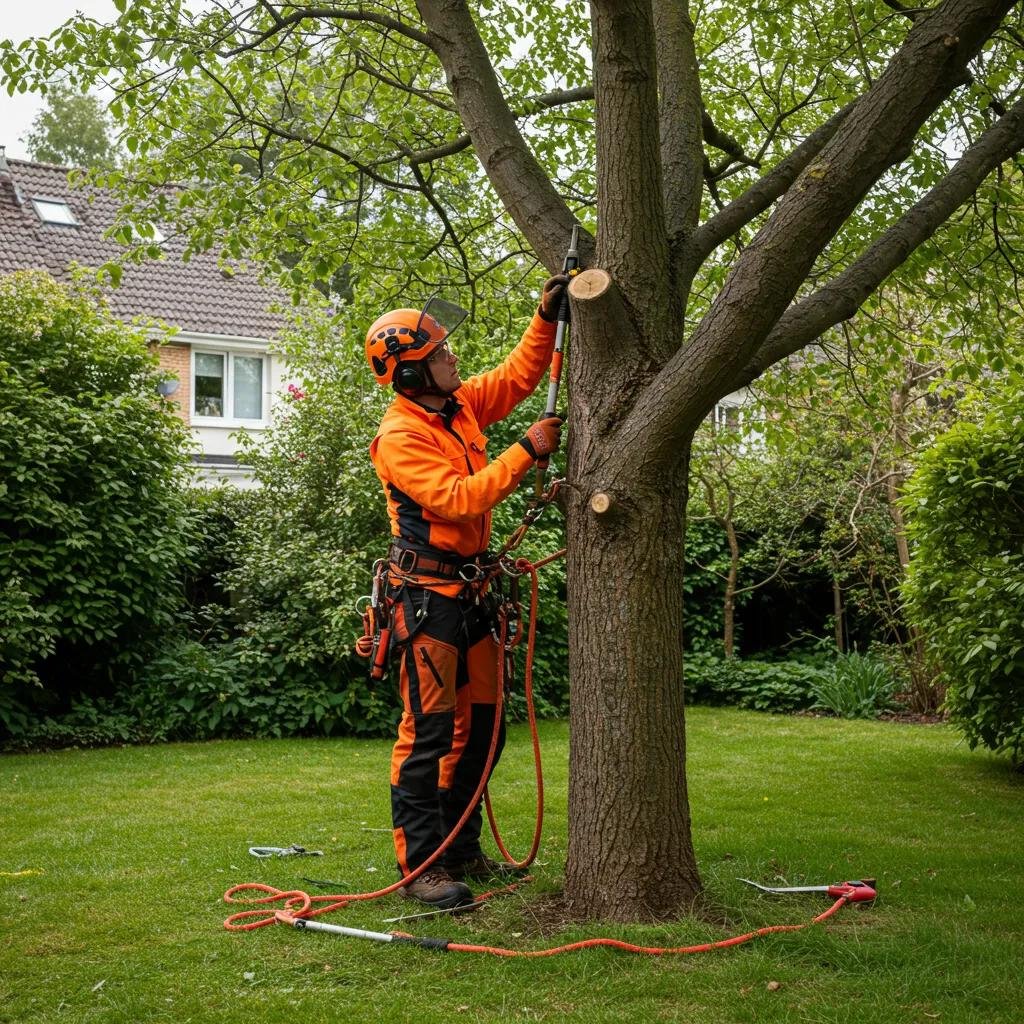
Local city/county tree removal regulations define when and how homeowners may fell, prune, or relocate trees on private land. These rules preserve urban canopy, protect biodiversity, and require permits for any work affecting tree health or location. Compliance with tree protection ordinances and conservation area designations reduces ecological damage, avoids enforcement notices, and maintains neighborhood quality of life.
| Regulation Category | Permit Trigger | Compliance Outcome |
|---|---|---|
| Tree Protection Ordinance | Removal, topping or significant pruning of protected trees | Written consent from city/county |
| Conservation Area | Works affecting any tree above a specific diameter (e.g., 6 inches DBH) | Notification and review period |
| Emergency Works | Immediate risk of injury or property damage | Retrospective approval (often with documentation) |
Understanding these core categories positions homeowners to engage city/county authorities proactively and manage arboricultural work responsibly.
Which Trees Are Protected Under DeBary, Florida Local Tree Ordinances?
Protected species include those subject to Tree Protection Ordinances or located within designated conservation areas. Commonly protected genera in Florida are oaks (Quercus spp.), magnolias (Magnolia grandiflora), and other native canopy trees demonstrating high ecological value or significant size. City/county codes often list specific criteria for protected trees, ensuring clear identification before any action.
When Is a Tree Removal Permit Required by Local City/County Authorities?
A permit is required if a protected tree is to be felled, pruned, or treated. Criteria often include trunk diameter above a specific measurement (e.g., 6 inches Diameter at Breast Height – DBH), location within a conservation area, or species listed for special protection. Written consent must be obtained before any on-site work to avoid significant fines.
How to Apply for a Tree Removal Permit: Documentation and Process
- Submit a formal application form with tree location and species details.
- Provide an arborist report confirming tree health, removal justification, and proposed mitigation (e.g., replacement planting).
- Pay the city/county’s tree work fee, typically between $50 and $200.
- Allow the standard consultation period during which the city/county may impose conditions.
Completing this process accurately ensures lawful tree work and preserves ecological balance.
What Are the Penalties for Illegal Tree Removal?
Unauthorized tree felling or damage under a Tree Protection Ordinance can result in enforcement notices requiring replanting, landscape restoration, and significant fines (e.g., $5,000-$10,000+ per tree). In severe cases, court proceedings may lead to further financial penalties and mandatory community service. Timely consent applications mitigate these risks and protect homeowner investments.
How Can Certified Arborists Assist with Tree Removal Compliance?
Certified arborists deliver expert advice on local regulations, prepare robust arboricultural reports, and liaise with city/county authorities on behalf of homeowners. Their professional assessments of tree health, species status, and site safety facilitate faster permit approval and ensure work adheres to environmental guidelines. Homeowners seeking specialist support can contact orlando-tree-removal.com for free estimates, ISA-certified expertise, and insured removal services.
How Do Home Extension Building Codes Affect DeBary, Florida Homeowners?
Building codes set technical standards for design and construction, ensuring safety, energy efficiency, and accessibility. Unlike building permits, which address land use and aesthetics, building codes govern structural integrity, fire safety, insulation, and drainage. Complying with these standards protects occupants, enhances property value, and avoids enforcement action.
What Are the Main Building Codes for Home Extensions?
- Structural stability and load-bearing calculations.
- Fire resistance in walls, floors, and escape routes.
- Thermal performance, including insulation and air tightness.
- Drainage and water supply connections.
Meeting these standards ensures extensions are durable, energy-efficient, and safe for long-term occupancy.
How Do Building Codes Differ from Building Permits?
Building codes focus on construction quality and occupant well-being, assessed through building inspections and technical certificates. Building permits evaluate external appearance, land use, and neighborhood impact, determined via planning review. Both consents are mandatory but operate through distinct approval channels and timescales.
What Are the Safety and Environmental Compliance Requirements?
Extensions must incorporate means of escape, protected staircases, and smoke detection. Environmental compliance covers insulation standards, ventilation, and water efficiency. For example, new builds must achieve specific energy efficiency ratings for walls and roofs, reducing carbon emissions and energy bills.
How to Ensure Your Home Extension Meets Local Building Codes?
- Engage a qualified architect or structural engineer for compliant design.
- Submit detailed plans and specifications to the local building official.
- Schedule inspections at key stages: foundations, damp-proofing, first fix, and completion.
- Obtain final certification before occupying the extension.
Adhering to this process delivers peace of mind and confirms regulatory conformity.
What Are Property Boundary Laws in Florida and How Do They Affect Homeowners?
Property boundary laws define legal lines separating adjacent land ownership, informed by deeds, county property records, and physical demarcations such as walls or fences. Clear boundary identification prevents disputes, guides permissible works, and ensures compliance with local fence height restrictions. Knowledge of boundary rights reduces litigation risk and promotes neighborly relations.
How Are Property Boundaries Defined and Disputed?
Boundaries are established by title deeds, survey plats, and historical usage. Disputes arise from ambiguous markers or inconsistent fencing. Adverse possession claims can occur after 7 years of uninterrupted occupation in Florida. Professional boundary surveys and mediation services often resolve conflicts before court involvement.
What Are the Legal Steps to Resolve Property Line Disputes?
- Review title documents and county property records.
- Engage in neighborly discussions or mediation.
- Commission a boundary survey by a licensed surveyor.
- Seek adjudication through the circuit court if necessary.
These steps prioritize cost-effective resolution and maintain cooperative relationships.
How Do Local City/County Authorities Regulate Fences and Boundary Structures?
City/county authorities impose permitted development rights for boundary walls and fences up to 6-8 feet in height (often 4 feet in front setbacks). Building permits may be required for taller structures or those affecting historic sites. Compliance ensures safe, visually acceptable boundaries aligned with public safety and community aesthetics.
What Are the Implications of Boundary Laws on Tree Encroachment?
Overhanging branches and root invasion can constitute nuisance, allowing property owners to trim vegetation to their boundary line, avoiding damage to adjoining property. Understanding these rules prevents neighbor disputes and supports harmonious land management.
What Are Florida Business License Requirements for Home-Based Businesses?
Operating a home-based business often requires specific licenses and registrations to satisfy local zoning, environmental, and health regulations. Proper licensing legitimizes operations, ensures tax compliance, and safeguards public and worker welfare. Entrepreneurs benefit from formal recognition, reduced risk of enforcement, and potential insurance coverage eligibility.
When Is a Business License Required for Home-Based Businesses?
A license is required if commercial activity impacts traffic, creates noise or nuisance, or involves food preparation and public access. City/county authorities classify these activities under zoning classifications and may demand change-of-use consent or registration with environmental health departments.
How Do Local City/County Authorities Regulate Home Business Operations?
City/county authorities assess home business applications against local comprehensive plans and zoning codes, considering parking, delivery frequency, and site impact. Conditions may limit customer visits, signage, or storage. Compliance with these restrictions protects residential amenity and community cohesion.
What Are the Environmental and Health Regulations for Home Businesses?
Home enterprises handling food or hazardous materials must register with the environmental health authority (e.g., Florida Department of Health), adhere to food hygiene ratings, waste disposal protocols, and health and safety standards. These regulations prevent contamination risks and uphold public confidence.
How to Apply for a Home Business License in Florida?
- Review local zoning policy to identify the correct zoning classification.
- Submit a change-of-use application if necessary, including operational details.
- Register with environmental health for food or regulated activities.
- Comply with any city/county-imposed conditions on hours, signage, or deliveries.
This structured approach ensures lawful operations and demonstrates professional credibility.
How Do Environmental Compliance and Local Regulations Impact Homeowners in Florida?
Environmental compliance encompasses a range of laws governing air quality, waste management, protected species, and water protection. Homeowners must observe local bylaws on garden waste disposal, wildlife conservation, and pollution controls. Adherence safeguards ecosystems, avoids enforcement notices, and contributes to sustainable communities.
What Environmental Laws Affect Residential Property Owners in Florida?
Key statutes include the Florida Wildlife Code, Florida Environmental Protection Act, and Water Resources Act (managed by Water Management Districts like SJRWMD). These laws protect habitats, regulate waste, and control water abstraction. Homeowners altering land or removing vegetation must check for protected species surveys and pollution prevention requirements.
How Do Local City/County Authorities Enforce Environmental Protection in Property Management?
City/county authorities issue permits for controlled burns, garden waste disposal, and pond construction. They conduct inspections and handle complaints about contamination or illegal dumping. Enforcement notices and fixed-penalty fines up to $5,000+ encourage cooperative compliance and deter harmful practices.
What Are the Consequences of Non-Compliance with Environmental Regulations?
Failure to comply can lead to enforcement notices demanding remediation, stop-work orders, and fines scaled to damage severity. Civil litigation may arise if protected species are harmed. Proactive compliance minimizes risks and demonstrates responsible stewardship of private land.
Frequently Asked Questions About Local Regulations for DeBary, Florida Homeowners
- What Is the Difference Between Building Permits and Building Codes? Building permits govern land use and design conformity, while building codes ensure technical safety, energy efficiency, and structural integrity through building inspections.
- How Long Does It Take to Get a Tree Removal Permit? City/county authorities typically allow a 2-4 week decision period for tree work applications, though complex cases may require longer consultations.
- Can I Remove a Tree on My Property Without a Permit? No, if the tree is subject to a Tree Protection Ordinance or located in a conservation area, you must obtain written consent before any removal or pruning.
- What Are the Costs Associated with Building Permits and Other Permits? Application fees vary by city/county but generally range from $100 to $1000+ for building permits and $50 to $200 for tree work permits.
- How Do I Find My Local City/County’s Regulations and Contact Information? Homeowners can consult their local authority’s website (e.g., City of DeBary, Volusia County) for planning portals, permit application forms, and environmental health contact details, ensuring direct access to up-to-date guidance.
Homeowners equipped with this comprehensive guide gain the confidence to navigate DeBary, Florida planning frameworks, tree removal regulations, and property law intricacies. By understanding permit triggers, application processes, and compliance pitfalls, residents safeguard their investments and communities. For professional arboricultural support and expert permit handling, consult orlando-tree-removal.com, where certified specialists deliver insured, reliable solutions to regulatory challenges.