

What to Do After Storm Damage to Trees in Debary
Storm damage to trees can present significant risks to property and safety. Homeowners in Debary may find their yards cluttered with debris and unstable trees that require prompt attention. This article outlines the key actions to take after storm-induced tree damage, including safety precautions, assessment of damage, finding reliable tree services, debris cleanup, handling insurance claims, and planning for long-term recovery. Following these steps not only protects property but also minimizes danger to residents and visitors. Transitioning into the detailed steps below will help make informed decisions during this challenging time.
Key Takeaways
- Prioritize your physical safety by identifying hazards and securing the area around damaged trees.
- Carefully document tree damage and know when to consult professional storm damage tree services in Debary.
- Follow safe debris cleanup practices to avoid injury during minor tree care.
- Understand your insurance claims process to effectively manage tree removal costs.
- Plan long-term recovery measures and proactive maintenance to prepare for future storms.
Prioritize Safety Around Storm-Affected Trees

First and foremost, safety is paramount when dealing with storm-affected trees. Homeowners must quickly identify areas that pose immediate hazards due to falling limbs or weakened trunks. Damaged trees can be unpredictable, so establishing a safe perimeter helps protect both people and pets from injury.
Identify Immediate Hazards From Damaged Trees
Immediate dangers include large branches or trunks that have snapped and may fall at any moment. Homeowners should look for signs, such as cracks or splitting in the wood, that indicate potential collapse. It is essential to restrict access to these areas until a professional arborist inspects the damage. For instance, if an oak tree exhibits clear damage to its trunk structure, the risk of injury increases and should be managed promptly.
Secure the Area to Prevent Accidents
Securing the surrounding area means clearing pathways and marking off danger zones so that vehicles and pedestrians are kept at a safe distance. Temporary barriers like cones or warning tape can be used to delineate off-limits areas. This precaution helps prevent accidents while waiting for professional tree services. Ensuring safe entry and exit points around your house is also important to avoid accidental contact with falling debris.
Understand When to Stay Clear of Unstable Trees
If a tree appears unstable, it is best to maintain a safe distance until experts assess the damage. Homeowners should refrain from approaching trees that sway dramatically in the wind or show signs of severe uprooting. Recognizing these warning signs can prevent injuries and additional property damage. Always err on the side of caution and assume that any tree with severe structural damage is too dangerous to approach without professional help.
Check for Downed Power Lines Near Trees
Storms often bring power outages and downed power lines, which may become entangled with damaged trees. It is critical to stay away from any wires or electrical hazards until utility companies secure the area. If you notice a power line near a damaged tree, call your local emergency service immediately. Avoid touching or moving any branches caught in the lines, as even slight contact could lead to electrocution.
Assess the Extent of Tree Damage on Your Property
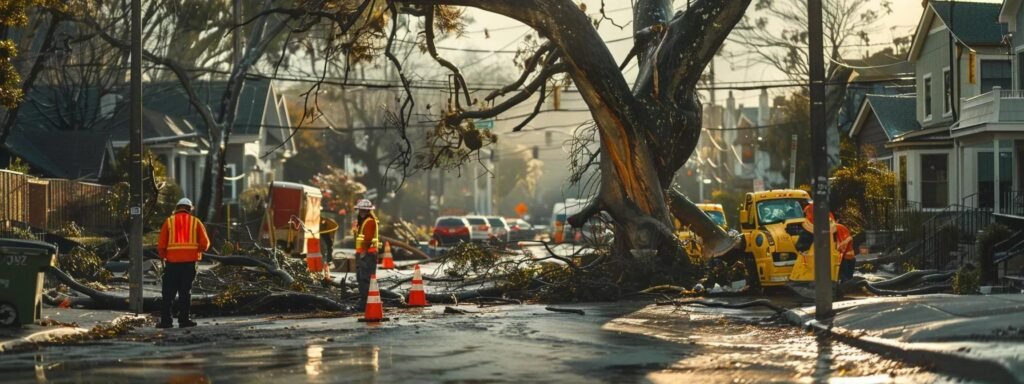
Assessing the damage involves both visual inspection and careful documentation. Homeowners should take detailed notes and photographs of all affected trees to support future insurance claims and service calls. Understanding the severity of tree injuries can help determine which areas require immediate attention versus those that need long-term monitoring.
Document Tree Damage With Photos and Notes
Taking clear photographs from different angles provides solid evidence for insurance claims and professional assessments. Note key details such as the time of the storm, the specific type of damage observed, and any changes in the tree’s stability. This documentation process supports discussions with emergency tree services and underlines issues that may not be immediately visible during a brief inspection.
Distinguish Between Minor and Severe Tree Injuries
Not all storm damage requires immediate removal. Minor injuries, such as broken branches, may be remedied by professional tree trimming. In contrast, severe injuries like cracked trunks or uprooted trees pose greater risks and might require complete removal. Understanding this difference is crucial to planning the appropriate corrective action.
Look for Signs of Uprooting or Instability
The foundation of a tree is just as important as its canopy. Check for signs of soil disturbance or tilting, which indicate that a tree is uprooted and unstable. An uprooted tree is a higher hazard and often needs urgent removal to prevent future incidents. Homeowners should use extreme caution when approaching these trees and seek an expert’s opinion immediately.
Evaluate the Health of Remaining Trees
Even trees that appear unscathed may have suffered hidden damage from forceful winds or debris impact. Look for discoloration, leaf drop, or bark shattering which can signal underlying health issues. Continuous monitoring of these trees will ensure that any delayed symptoms of disease or decline are promptly addressed to prevent further damage to your property.
Finding Reliable Storm Damage Tree Services Debary

After ensuring safety and assessing damage, it is vital to consult professional storm tree services in Debary. Reliable experts can help manage the damage appropriately and safely remove hazardous trees. Understanding what to look for in a tree service will lead to better long-term outcomes for your property.
Questions to Ask Potential Debary Tree Care Companies
When reaching out for service, prepare questions regarding service experience, response time, and methods used for tree removal and trimming. Ask about their familiarity with storm-related tree damage and any guarantees on their work. Inquire if they offer free quotes and emergency tree services, which can ensure immediate assistance if further hazards are identified.
Verify Insurance and Credentials for Tree Professionals
Licensed and insured tree services protect homeowners from liability in case of accidents during the removal process. Always check for certifications from recognized arboricultural organizations. Verifying these credentials helps ensure that the service provider is both experienced and reliable, a key factor when dealing with potentially dangerous tree work.
Obtain Multiple Quotes for Storm Tree Services in Debary
Contact several service providers to compare their pricing, service offerings, and reputations. Obtaining multiple quotes can lead to better pricing and more detailed guidance based on specific property needs. Ensure that each quote clearly states the scope of work, and check customer reviews to gauge satisfaction levels with previous storm damage cleanup.
Recognizing Reputable Emergency Tree Services Debary
Reputable emergency service providers are critical during severe weather events. Look for reviews, testimonials, and evidence of prior work on similar projects. A good emergency tree service should have rapid response times and accessible customer service. In addition, reliable companies typically offer free consultations to assess the damage and provide clear estimates ahead of any work being done.
Steps for Safe Debris Cleanup and Minor Tree Care

Once professional help is arranged, cleanup of debris and minor tree care can be tackled safely by homeowners. Taking precautions during the cleanup process minimizes risk and ensures efficiency, especially when handling heavy or sharp materials.
Wear Appropriate Protective Gear for Yard Work
Protective gear such as gloves, hard hats, sturdy boots, and eye protection is essential when working with fallen branches and debris. Safety gear minimizes the risk of injury from sharp branches or unexpected falling objects. Investing in quality safety equipment is a cost-effective measure to prevent accidents during cleanup.
Clear Small Fallen Branches and Twigs Safely
For more minor debris, carefully collect and bag fallen branches and twigs. Use appropriate tools such as rakes or pruners to avoid overexertion or injury. Work slowly and methodically in small sections of your yard until the debris is under control. Maintaining an organized debris pile can also help ensure that nothing is overlooked during cleanup.
Avoid Overreaching or Using Ladders Improperly
When debris is located in hard-to-reach areas, avoid overreaching or climbing unsafely. Instead, wait for professional help to address higher branches or consider renting equipment designed for safe tree trimming. Proper ladder use is crucial; always ensure it is stable before climbing, and avoid using it on uneven ground. This practice helps prevent falls and related injuries during the cleanup process.
Determine What Debris Your Local Waste Service Accepts
Before disposing of tree debris, check with your local waste service to find out which types of debris are accepted. Some services may have restrictions on branch size or require debris to be chipped. Knowing disposal requirements ahead of time allows for efficient sorting and recycling of materials. In some cases, professional tree services may even offer debris removal as part of their comprehensive service package.
Managing Insurance Claims for Tree Damage in Debary

Filing an insurance claim after storm damage requires careful documentation and prompt communication with your provider. Homeowners should review policies and gather all necessary evidence of tree damage to support a claim. Understanding how tree removal costs are handled can help set realistic expectations about reimbursable expenses.
Review Your Homeowners Insurance Policy Coverage
Examine your policy to determine what aspects of storm damage and debris removal are covered. Many policies include provisions for emergency tree removal, while others may have limits on coverage for cosmetic damage. A clear understanding of your policy helps in making informed decisions during the repair process.
Contact Your Insurance Provider Promptly
Speed in contacting your insurer can be crucial in storm-related claims. Prompt notification ensures that the claim process begins immediately, reducing potential delays in receiving funds. Keep a detailed log of interactions and document every step taken following the storm to support your claim.
Keep Detailed Records of All Communications and Expenses
Maintain organized records including photographs, invoices, and written communications with your tree service provider and insurance company. Detailed documentation not only supports your claim but also helps track the cost of repairs. This careful record-keeping is essential when disputes arise over the extent of damages or reimbursement amounts.
Understand How Tree Removal Costs Are Handled
Insurance companies may cover all or part of tree removal costs depending on policy specifics. It is important to obtain multiple service quotes and ask detailed questions about cancellations or additional charges. Knowing what to expect in terms of reimbursement can drastically reduce any financial burden associated with emergency tree removal. Coordination between your service provider and insurer may facilitate a smoother process and faster resolution of your claim.
Long-Term Recovery and Future Storm Preparedness for Debary Trees

After immediate safety and cleanup have been addressed, focus turns to long-term recovery and preparation for future storm events. Maintaining tree health and proactively managing your landscape can mitigate the risks associated with severe weather in the future.
Monitor Trees for Delayed Signs of Stress or Disease
Even after initial storm damage has been repaired, trees may continue to exhibit stress signs such as leaf discoloration, dieback, or fungal infections. Regular inspections over the coming months are crucial to identify any delayed deterioration in tree health. Early detection of disease can prevent more severe long-term damage and enhance overall landscape resilience.
Consider Professional Pruning for Damaged but Salvageable Trees
Professional pruning can help regenerate trees that have suffered partial damage. Proper trimming not only removes hazardous limbs but also promotes healthier growth patterns. Specialist arborists can advise whether a damaged tree is salvageable or should be removed entirely, thereby preserving energy and resources for the remaining, healthy vegetation.
Plan for Planting Storm-Resistant Tree Species
Long-term landscape planning may involve replacing heavily damaged trees with species better suited to storm-prone environments. Storm-resistant species, such as certain types of pine or oak, offer enhanced durability under harsh weather conditions. Integrating these species into your landscape not only improves safety but also adds to the aesthetic and ecological value of your property.
Implement Preventative Tree Maintenance Before Storm Season
Establishing a regular maintenance schedule, including pruning, mulching, and soil treatments, can strengthen trees and reduce the likelihood of severe storm damage. Professional tree care services in Debary can offer tailored maintenance plans that address potential vulnerabilities in your landscape. Proactive care can save homeowners both time and money by reducing emergency removal needs during storm season.
| Maintenance Activity | Benefit | Recommended Frequency | Potential Cost Savings |
|---|---|---|---|
| Pruning | Removes weak limbs and promotes healthier growth | Annually | Reduces expense on emergency removals |
| Mulching | Conserves soil moisture and improves nutrient retention | Bi-annually | Enhances tree resilience |
| Soil Aeration | Improves root growth and nutrient uptake | Annually | Prolongs tree life |
| Disease Inspection | Early detection of fungal infections or pests | Quarterly | Prevents costly treatments |
| Professional Evaluation | Comprehensive assessment by certified arborist | After storms | Avoids uninformed, costly decisions |
Before and after each season, scheduled maintenance based on professional evaluations can help maintain tree health and reduce vulnerabilities to storm damage. This table highlights the benefits and recommended frequency of key maintenance activities that contribute to long-term landscape resilience and customer satisfaction.
Final Thoughts

In summary, storm damage to trees in Debary must be addressed with a blend of immediate safety actions, thorough damage assessment, and long-term recovery planning. Homeowners should prioritize securing the area, documenting damage, and relying on reputable emergency tree services to mitigate risks. Additionally, understanding insurance processes and planning proactive maintenance will help ensure both safety and enduring landscape health. As storms become more unpredictable, these strategies provide a roadmap for protecting homes and enhancing tree care services in the region.
Frequently Asked Questions
Q: How soon should I contact a professional tree service after storm damage?
A: Immediately after securing the area, contact a certified tree service to assess and safely remove hazardous tree parts. Prompt inspection reduces further damage and injury risks.
Q: What type of protective gear should I wear during debris cleanup?
A: Wear gloves, a hard hat, sturdy boots, and eye protection to minimize injury from sharp debris and unstable branches during yard cleanup.
Q: How can I document tree damage for my insurance claim?
A: Take clear photographs from multiple angles, record detailed notes on observed damage, and keep all invoices. This documentation supports your claim effectively.
Q: Are there specific tree species recommended for storm-prone areas in Debary?
A: Yes, species such as certain oaks and pines are recognized for their storm resilience, making them ideal replacements for damaged trees.
Q: What maintenance schedule is recommended for preventing future storm damage?
A: Regular annual pruning, bi-annual mulching, and periodic professional evaluations are advised to maintain tree health and minimize storm-related damage risks.